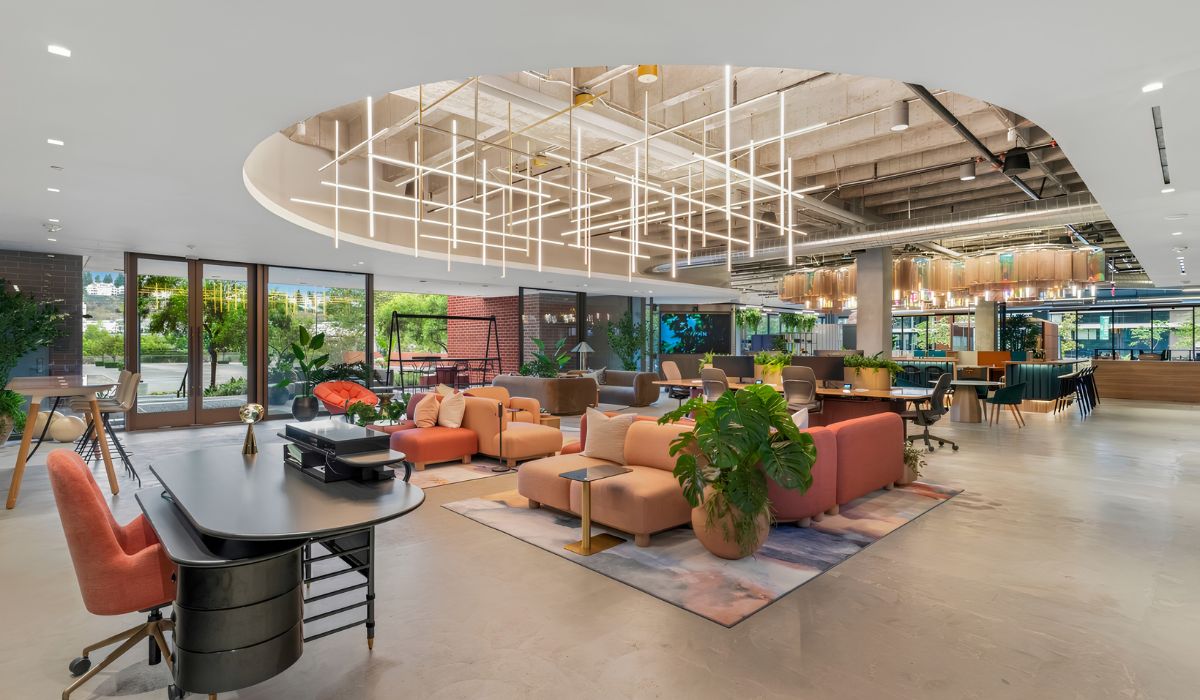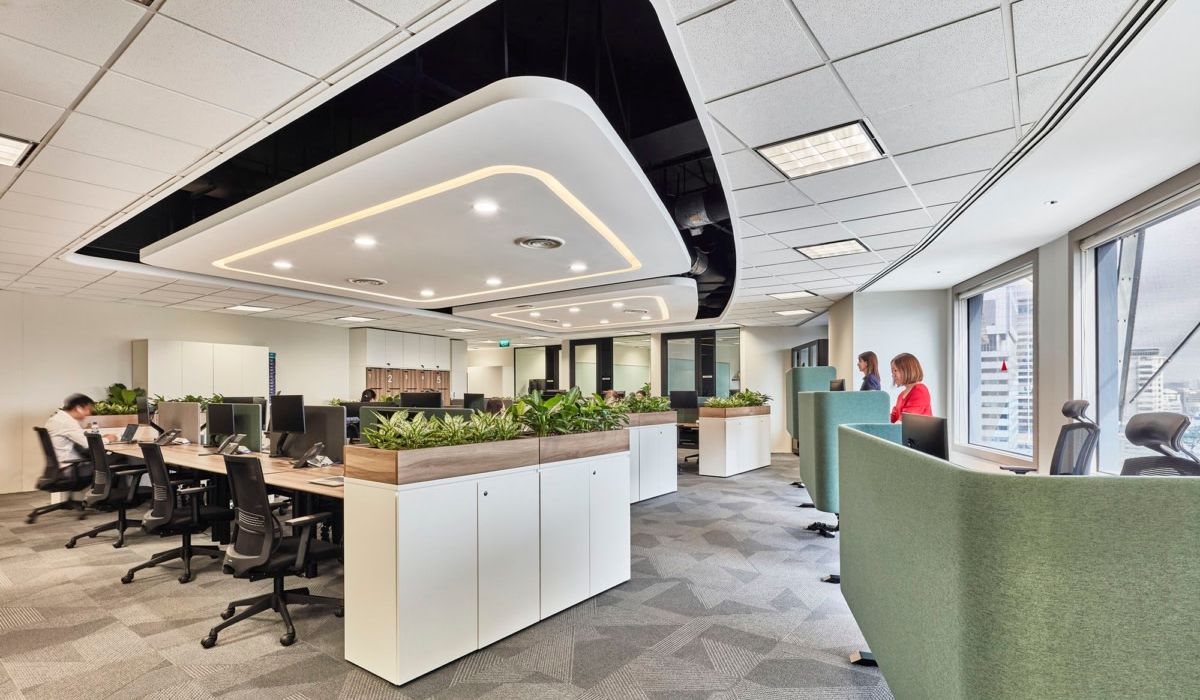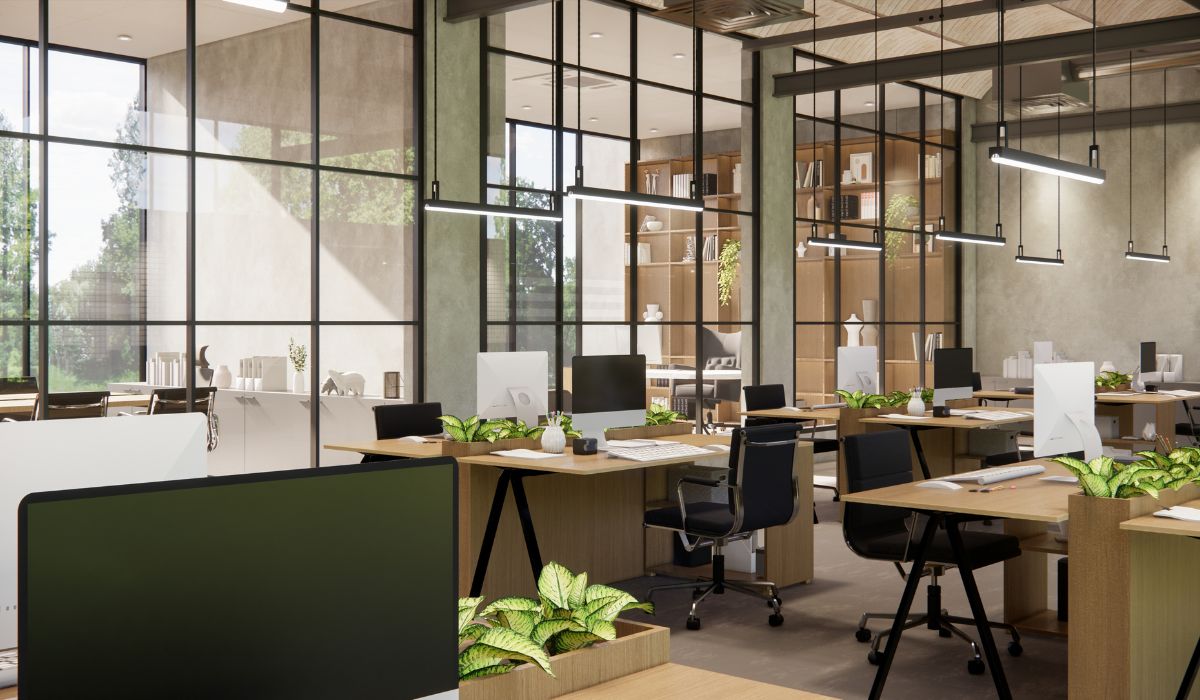
Flexible offices come in many forms, with different seating arrangements, services, and lease terms. Each option has its own advantages, limitations, and costs. To choose the right one, businesses should assess the nature of their work, employee attendance, and the property’s conditions.
1. What is a flexible office?
A flexible office is a workspace that allows a business to adjust seating, layout, or the size of the space it uses to meet its needs. The space can support different activities, including individual work, meetings, and group discussions. For leased offices, the ability to change the area, lease term, and services depends on the contract.
2. Features of a flexible office
A flexible office allows businesses to adjust the workspace layout, seating arrangements, or leased area according to their needs. The level of flexibility depends on the operating model, the property’s conditions, and the lease agreement.
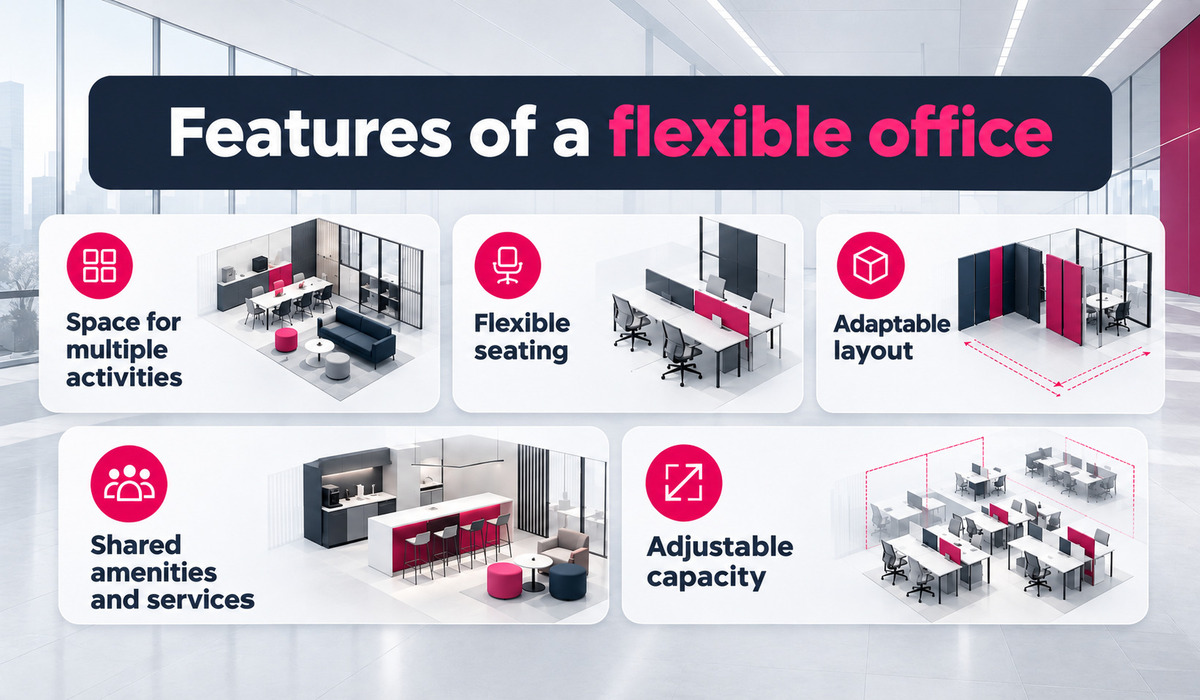
Common features include:
- Space for multiple activities: Workstations, meeting rooms, group discussion areas, and focus rooms can be arranged to meet different needs.
- Flexible seating: Depending on the setup, employees can use shared desks or change work areas during the day.
- Adaptable layout: Furniture and partitions can be selected to make it easier to change how the space is used.
- Shared amenities and services: Some lease options include meeting rooms, internet access, reception, or facilities management.
- Adjustable capacity: Businesses may be able to change the number of seats or the leased area, subject to the property and contract terms.
Businesses can combine these features to suit their needs. For example, an office can keep assigned desks for employees who are regularly on site while providing shared areas for discussions and team meetings.
3. Types of flexible workspaces
Flexible office options differ in their scope of use, level of privacy, and the tenant’s ability to adjust the space. Coworking spaces, serviced offices, managed offices, and shared offices mainly differ in how the workspace is leased or used.
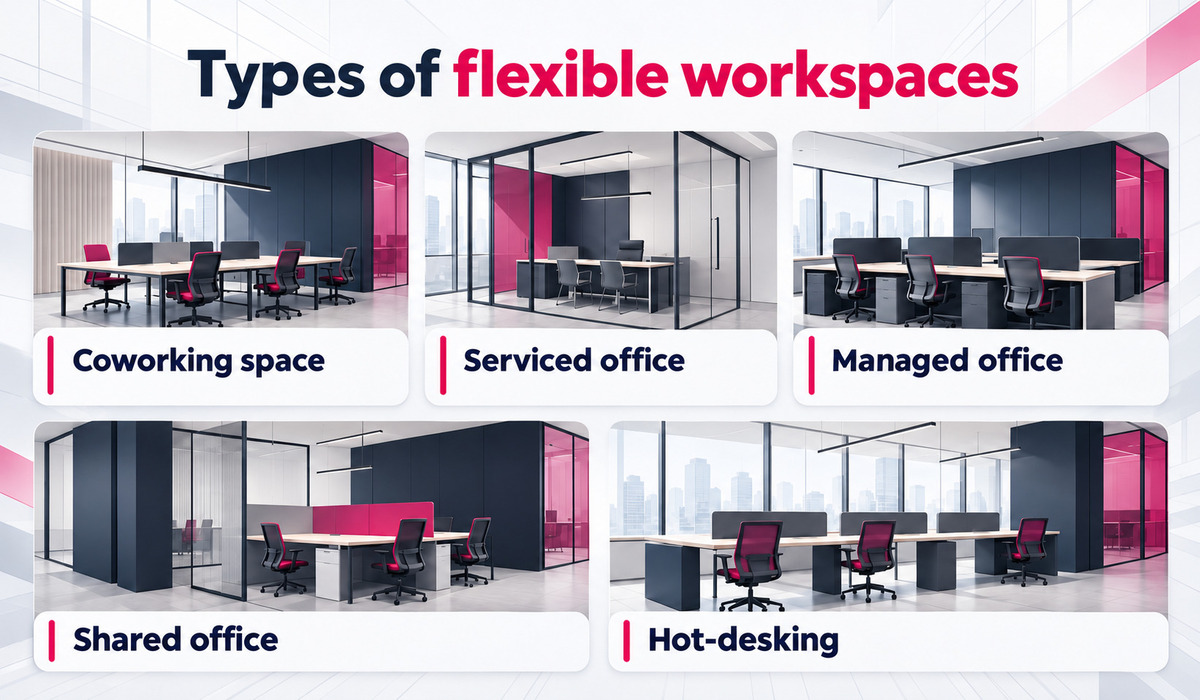
3.1. Coworking space
A coworking space allows multiple individuals or businesses to use the space and amenities provided by an operator. Depending on the service package, users may choose shared desks, dedicated desks, or private offices.
Coworking spaces can suit independent professionals, project teams, or businesses that need office space without managing the property directly. Before leasing, businesses should confirm the number of guaranteed seats, access to shared areas, and meeting room arrangements.
3.2. Serviced office
A serviced office is a workspace leased with furniture and some operational services already in place. Depending on the provider, the package may include desks and chairs, internet access, reception, cleaning, and access to meeting rooms.
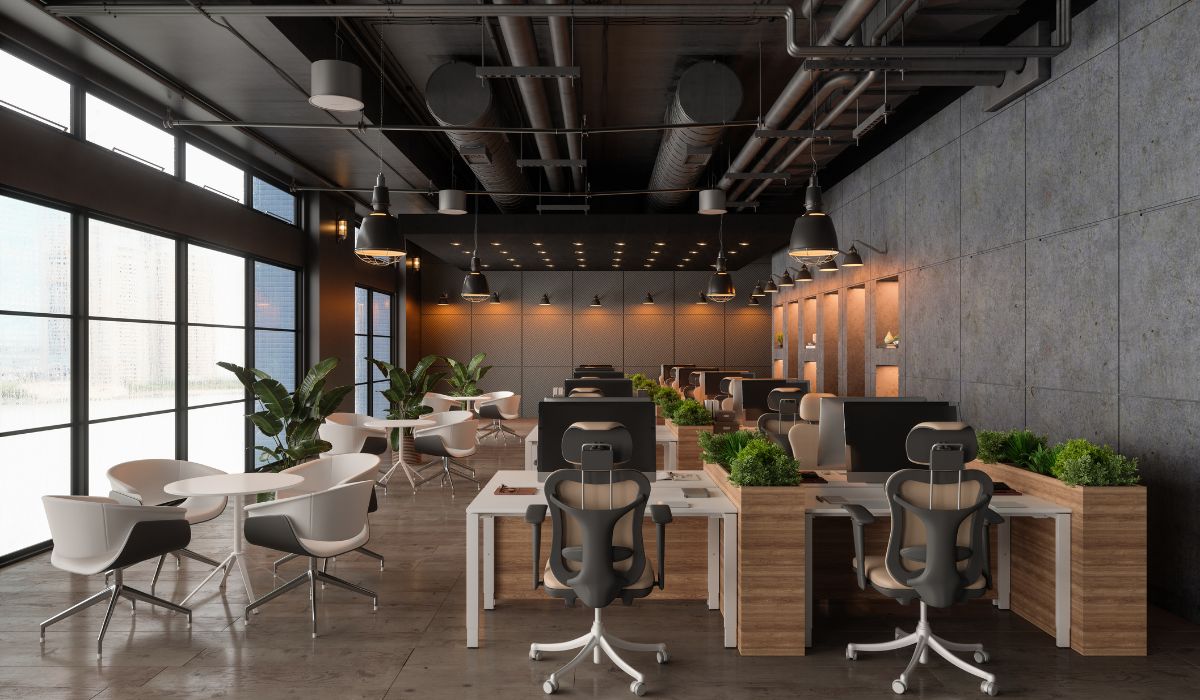
Ready-to-use facilities can reduce the items a business needs to invest in and manage when starting operations. Before signing, businesses should check which amenities are included, their access rights, and any additional fees. They should also confirm whether the furniture can be adapted to meet brand identity, privacy, and departmental layout requirements.
3.3. Managed office
A managed office is a private office provided and operated by a third party under an agreed arrangement. Within the scope of the service, the business may help determine the layout, furniture, and brand identity.
A package may include the leased area, furniture, technology, cleaning, and operational management services. This option can suit businesses that want a private office while outsourcing some of the preparation and day-to-day operations. Before signing, businesses should confirm the scope for customization, maintenance responsibilities, and the conditions for returning the premises.
3.4. Shared office
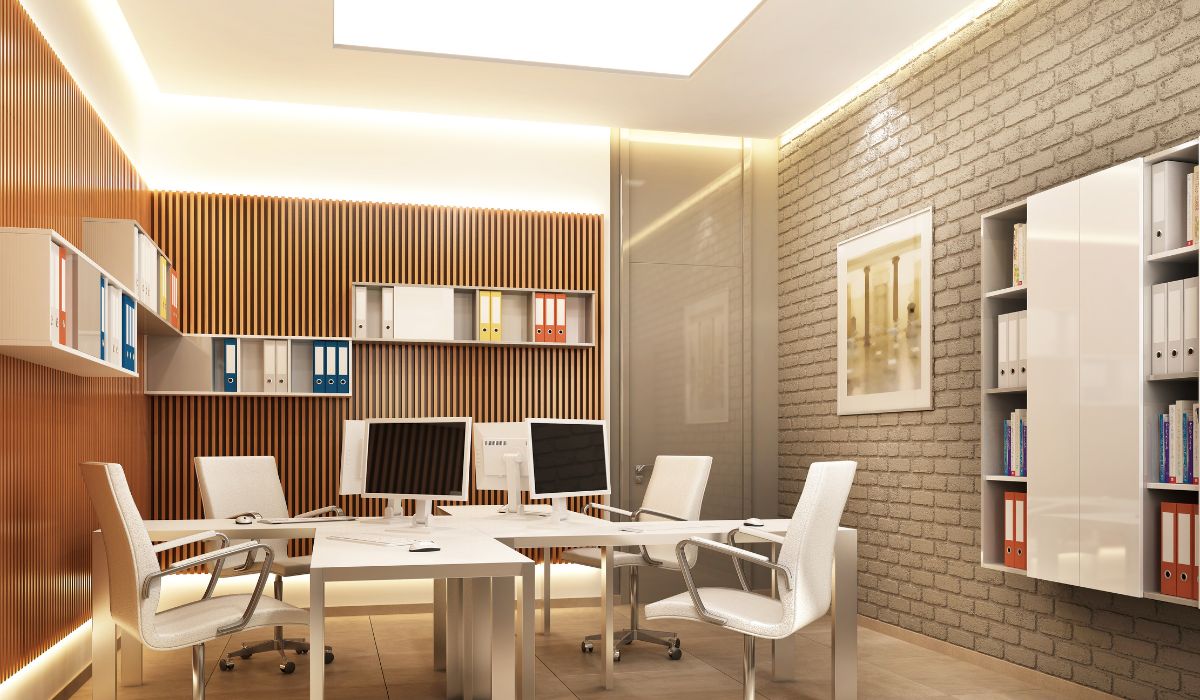
A shared office allows multiple individuals or businesses to use part of the same office space or share its amenities. Shared areas may include workstations, meeting rooms, reception areas, and support facilities.
Shared offices have some similarities to coworking spaces. The differences depend on how the area is divided, how users access desks, and how the provider operates. An office may offer separate areas for different groups while sharing functional rooms.
3.5. Hot-desking
Hot-desking allows employees to use shared desks instead of having assigned workstations. Depending on how the system operates, employees may choose an available desk or reserve one before arriving at the office. This seating arrangement can be used in coworking spaces or in a company’s own office.
Lease terms and fees depend on the type of use and the agreement with the provider. Businesses should check how many people are on site during peak hours, their personal storage needs, and whether they can connect their devices. If many employees need desks at the same time, the business must provide enough seats or establish a suitable allocation system.
4. Advantages and disadvantages of flexible offices
Flexible offices offer different benefits depending on how the space is organized and leased. Their effectiveness depends on the nature of the work, the property’s conditions, and the business’s operating practices.
4.1. Advantages of flexible offices
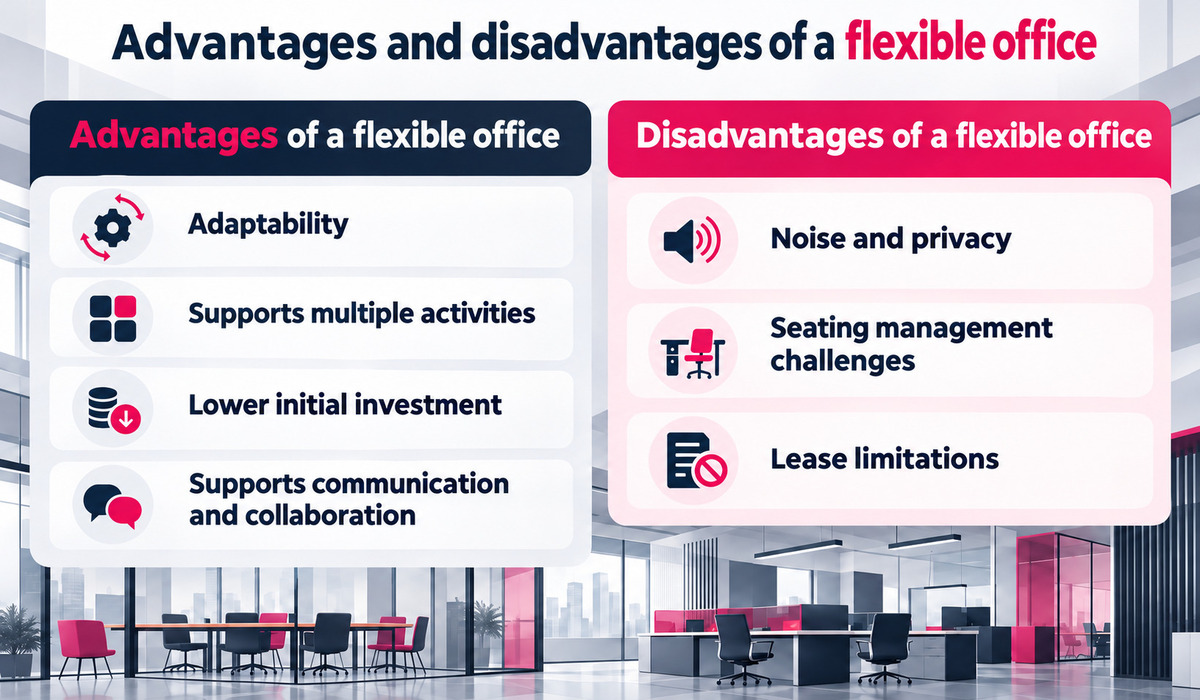
Flexible offices give businesses more options for arranging and using space for different activities. Depending on the model, benefits may include adjustable seating, support for collaboration, and lower initial investment.
- Adaptability: Businesses can adjust how they use the space when their workforce or working arrangements change.
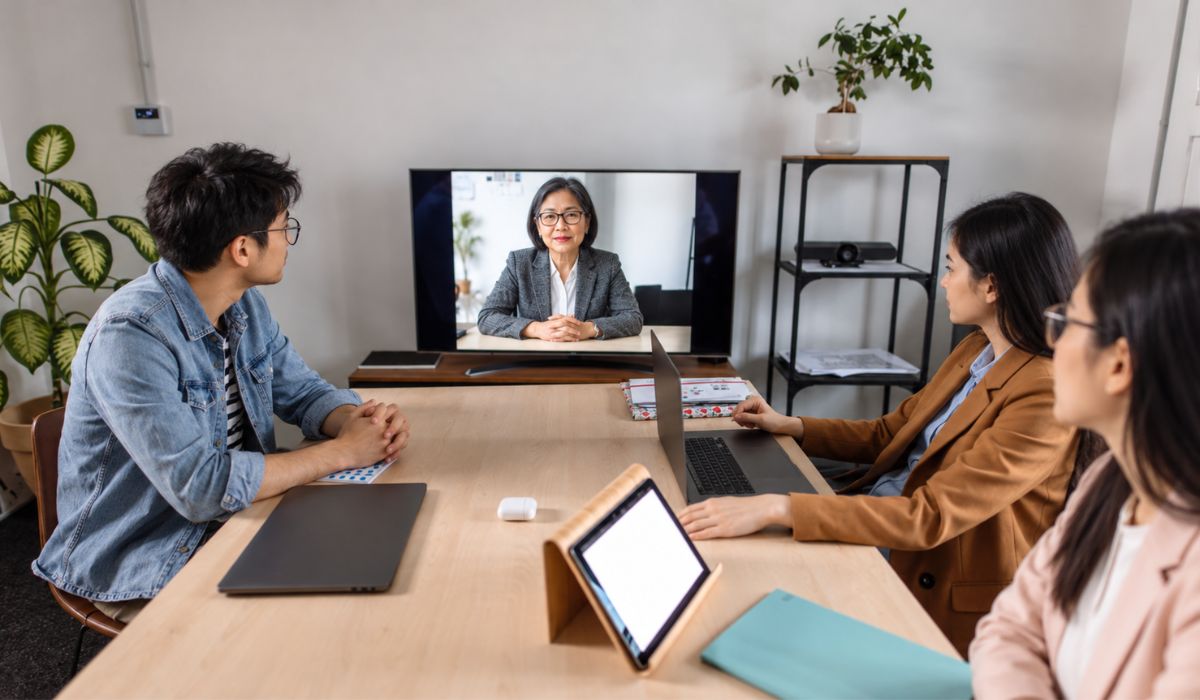
- Support for different activities: The office can include areas for individual work, group discussions, and virtual meetings.
- Lower initial investment: Some lease options include furniture and services, reducing the items the business needs to purchase.
- Support for discussion and collaboration: Employees can choose a space suited to their task when clear usage guidelines are in place.
4.2. Disadvantages of flexible offices
Flexible offices also require careful management of seating, noise, and shared areas. Limitations can affect concentration, privacy, or costs if the operating arrangements and lease terms do not meet the business’s actual needs.
- Noise and privacy: Discussions, virtual meetings, and frequent movement can disrupt concentration when spaces are not sufficiently separated.
- Seating management challenges: Employees may have difficulty finding desks, storing documents, or coordinating with colleagues if there are no clear rules or support tools.
- Lease limitations: The right to change furniture, the scope of services, and fees outside the package depend on the contract terms.
5. When is a flexible office suitable for a business?
A flexible office is suitable when its seating and space arrangements meet the business’s needs. The decision should be based on the nature of the work, employee attendance, privacy requirements, budget, and property conditions.
5.1. Nature of work and privacy requirements
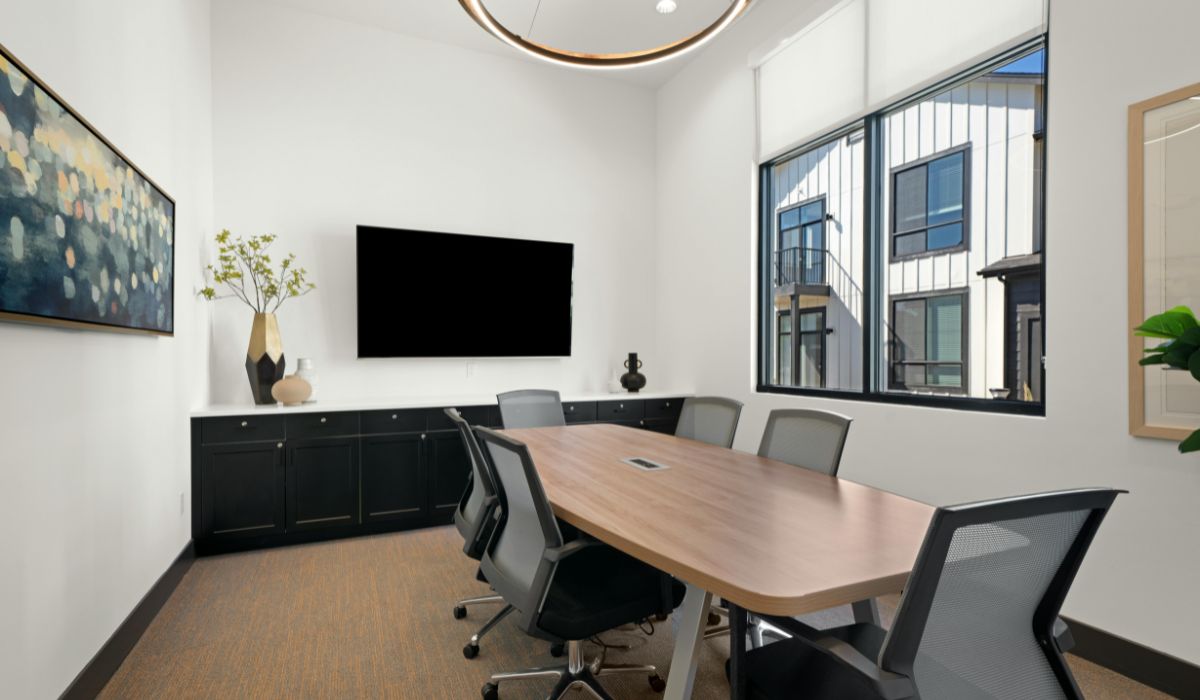
Teams that regularly discuss their work or collaborate on projects may need group work areas. Roles that require sustained concentration or involve confidential information need quiet spaces and controlled access. The nature of the work therefore affects how shared and private areas should be divided.
Businesses should identify which activities suit shared spaces and which require dedicated areas so employees can choose where to work based on their tasks. Employees who use specialized equipment or keep files at their desks may need assigned workstations. Businesses can also combine assigned desks with shared areas to support different types of work.
5.2. Workforce size, attendance, and seating needs
The total number of employees may differ from the number present in the office, especially when a business adopts a hybrid working model. Seating capacity should be based on attendance schedules and the number of people on site at peak times.
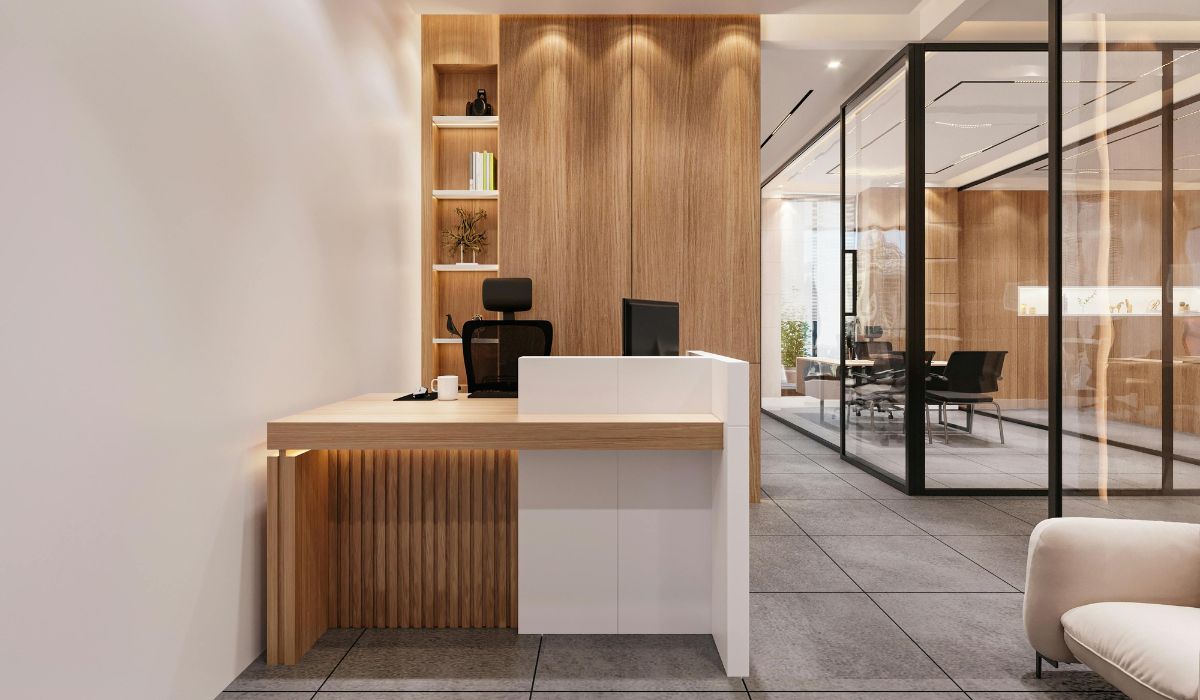
Reducing the number of assigned desks may increase demand for meeting rooms, discussion areas, and support spaces. Before adopting flexible seating or desk sharing, businesses should check whether the property can accommodate peak attendance. Detailed calculations should use workforce data and an area allocation schedule for each function.
5.3. Budget and property conditions
The budget should reflect how the business plans to use its office. For a serviced workspace, costs to review include the usage fee, included amenities, and additional charges. For a self-managed private office, the business must also budget for furniture, building systems, and renovation work.
Column locations, circulation routes, electrical systems, air conditioning, lighting, and fire protection can limit how the space is divided or repurposed. Before choosing an office renovation option, businesses should survey the existing conditions, compare them with their requirements, and define an appropriate scope of changes.

6. What factors affect the cost of a flexible office?
Flexible office costs depend on the type of lease, building location, size of the space, included services, and contract terms. Providers may charge by seat, room, area, or duration of use.
| Factor | Effect on costs and budget | What to check |
|---|---|---|
| Office type | Coworking spaces, serviced offices, and managed offices offer different scopes of service. | Access rights for private spaces and shared amenities |
| Location and building quality | Fees may vary according to location, property conditions, and infrastructure quality. | Location, amenities, access times, and operating conditions |
| Size of the space | Rent may be charged by seat, office, or area. | Billing unit, usable area, and guaranteed number of seats |
| Included services | Services may be included in the package or charged separately. | Internet access, meeting rooms, reception, cleaning, and technical support |
| Contract term | Rates and lease conditions may vary depending on the commitment period. | Lease term, renewal, termination, and rights to adjust capacity |
| Additional charges and deposit | Taxes and extra fees affect the amount payable. The deposit should be budgeted separately. | Applicable taxes, additional service fees, deposit, and refund conditions |
An office with furniture and services already in place may reduce initial preparation costs compared with fitting out a space independently. Total occupancy costs still depend on the lease term and operational needs. Businesses should compare options over the same period and with the same scope of services.
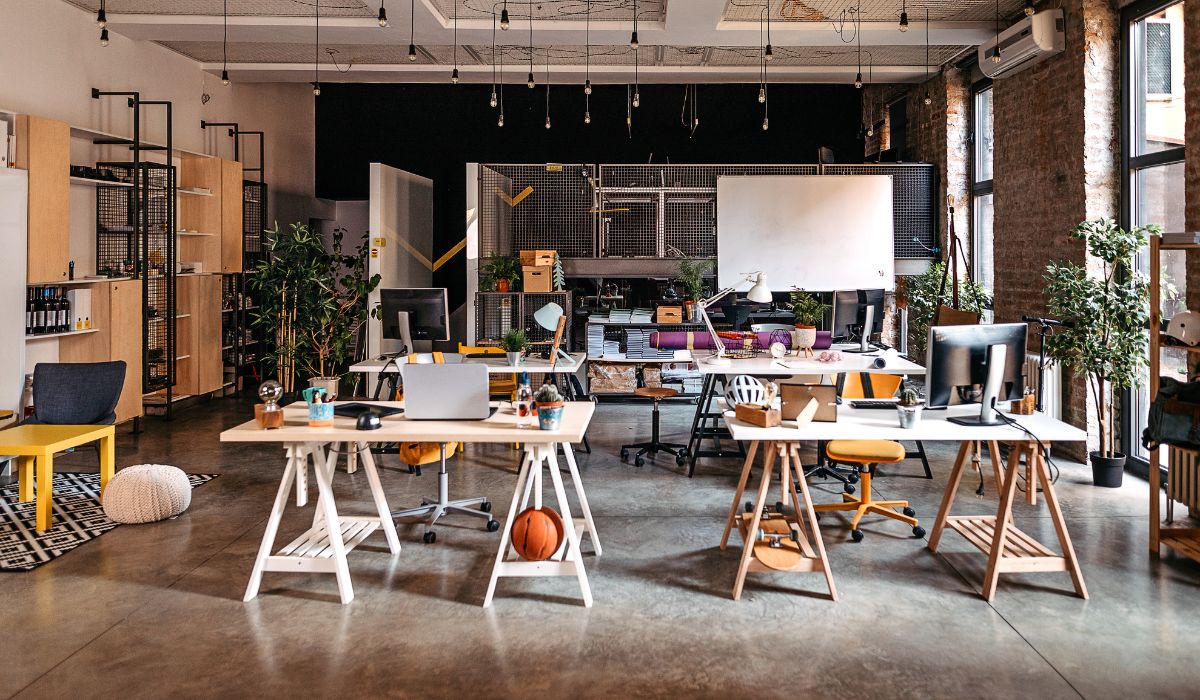
A flexible office is suitable when its layout meets the business’s work requirements and operating conditions. Before choosing one, businesses should define the level of flexibility they need and check whether the property can provide it. If renovating an office, the design and construction scope should be based on the intended use and the findings of an existing condition survey.
7. Frequently asked questions about flexible office (FAQ)
7.1. How is a flexible office different from a traditional office?
A flexible office allows businesses to adjust how they use seating, space, or services according to their needs. A traditional office usually has a more stable leased area and workstation arrangement. Businesses can still create flexible shared areas or change the layout of a traditional office when the property allows.
7.2. How are flexible office costs calculated?
Providers may charge by seat, office, area, or duration of use. Total costs include rent, services outside the package, and applicable taxes. The deposit should be budgeted and tracked separately under the contract terms, as it may be refundable.
7.3. Can a flexible office save costs?
A flexible office may reduce some initial investment or costs for unused space. Savings depend on the lease type, duration of use, workforce size, and additional services. Businesses should compare total costs over the same period, scale, and scope of services.
7.4. Which businesses should choose a flexible office?
Businesses with changing space needs, project teams, or hybrid working arrangements may consider a flexible office. For work that requires high security, fixed equipment, or specialized workstations, businesses should adjust the space division and seating arrangements for each employee group.
7.5. How long are flexible office leases?
There is no standard lease term for all types of flexible offices. Desk packages may be available for short periods, while private or managed offices may require longer commitments. Before signing, businesses should review the lease term, renewal and termination conditions, and options for changing the size of the space.