Office desks need easy-to-clean surfaces, filing shelves require adequate support, and pantry cabinets need careful detailing wherever water could penetrate. When selecting wood in office interiors, businesses can assess how each item will be used to choose suitable wood types, panel thicknesses, and surface finishes.
1. Why selecting the right wood in office interiors matters
For filing shelves, selecting suitable panels and arranging supports according to the expected load helps limit sagging when shelves hold large quantities of documents. At reception counters, wood colors and grain directions across adjacent cladding panels should be reviewed together to create a consistent appearance.
Choosing materials suited to their installation location also helps reduce future repairs. In cabinets beneath sinks, standing water can penetrate cut edges and cause panels to swell. Selecting panels suitable for the expected moisture conditions and properly sealing cut edges during installation helps limit damage in areas frequently exposed to water.
2. Types of wood used in office interiors
Natural wood is selected according to the characteristics of each species and the actual samples. For engineered wood, businesses need to establish the panel construction and product specifications before selecting materials for individual components.
2.1. Natural wood
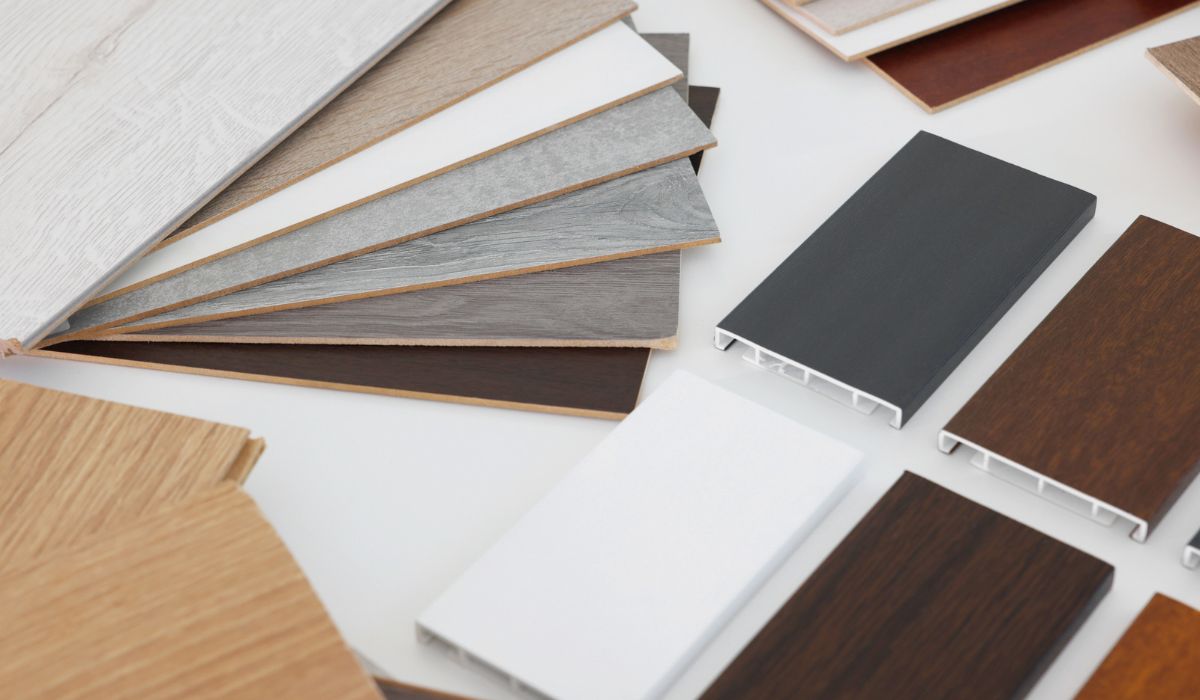
Pine, oak, walnut, and teak differ in color, grain, and workability. When reviewing samples, check both the finished color and how the wood will be incorporated into the furniture.
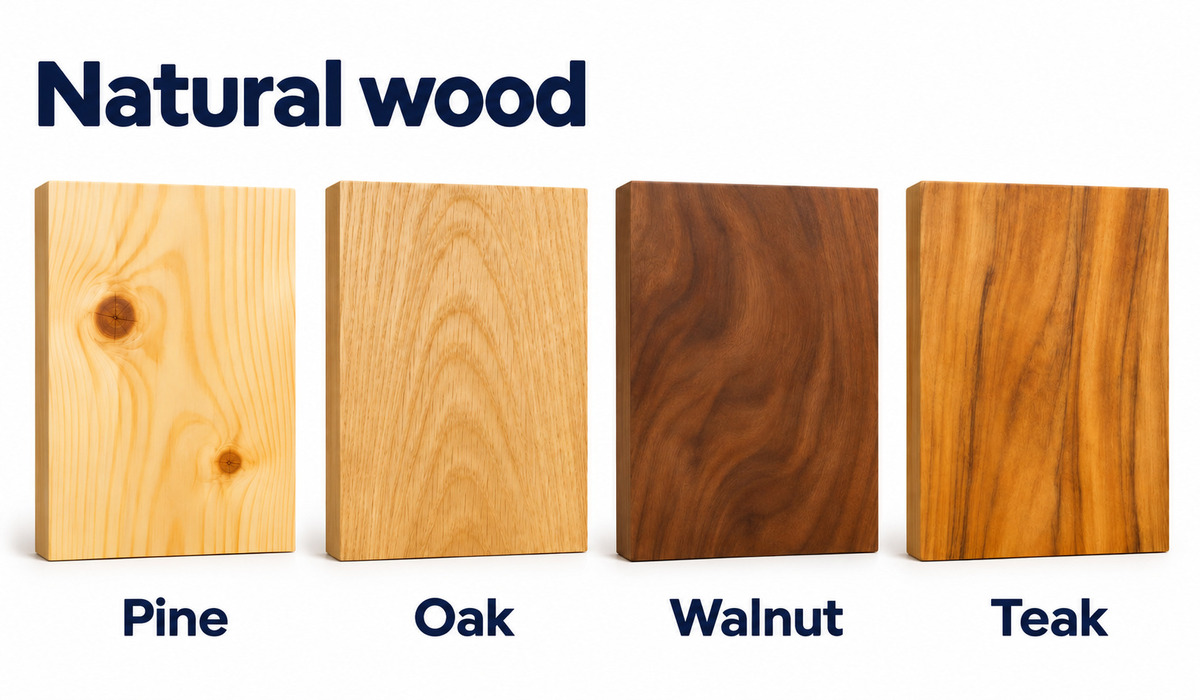
| Wood type | Selection considerations | Potential applications |
|---|---|---|
| Pine | Typically light in color with prominent knots. The surface may show dents with frequent use. | Light-duty display shelves and decorative details. |
| Oak | Distinctive grain. Color varies by oak species and finish. | Tabletops, cabinet doors, and cladding details. |
| Walnut | The heartwood is typically brown. Review several boards to assess variations in color and grain. | Executive desks, counter fronts, and feature partitions. |
| Teak | Distinctive grain. Review the color and grain on a finished sample. | Tabletops and wood details with exposed grain. |
2.2. Engineered wood
Engineered wood products differ in their constituent materials and how their layers are bonded. When selecting panels, review the technical documentation for the specific product code against the installation conditions.
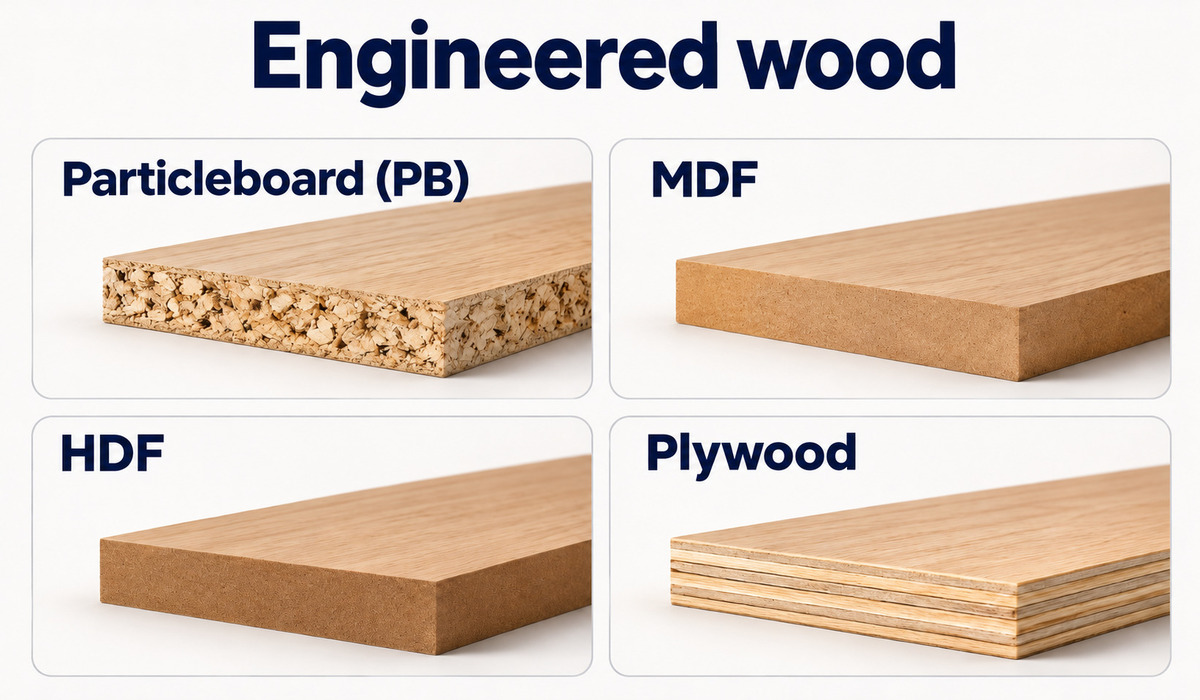
| Panel type | Construction | Potential applications |
|---|---|---|
| Particleboard (PB) | Wood particles bonded with adhesive and pressed into panels. Melamine-faced particleboard is commonly known as MFC. | Desktops, cabinet carcasses, and divider panels in dry areas. |
| MDF | Wood fibers bonded with adhesive and pressed into panels with a relatively flat, uniform surface. | Cabinet doors, cladding panels, and components requiring painting or routed grooves. |
| HDF | High-density fiberboard. Specifications and properties vary by product. | Door leaves or furniture panels where the specifications suit the assembly. |
| Plywood | Multiple thin layers of wood bonded together, typically with the grain of adjacent layers running at right angles. | Tabletops, shelves, or cabinet carcasses where the panel grade, thickness, and supporting structure are suitable. |
3. Factors to consider when selecting wood for offices
Loads, cleaning frequency, and exposure to water or sunlight provide the basis for selecting wood for each application. Once usage requirements are established, businesses can narrow down the material options before comparing colors and costs.
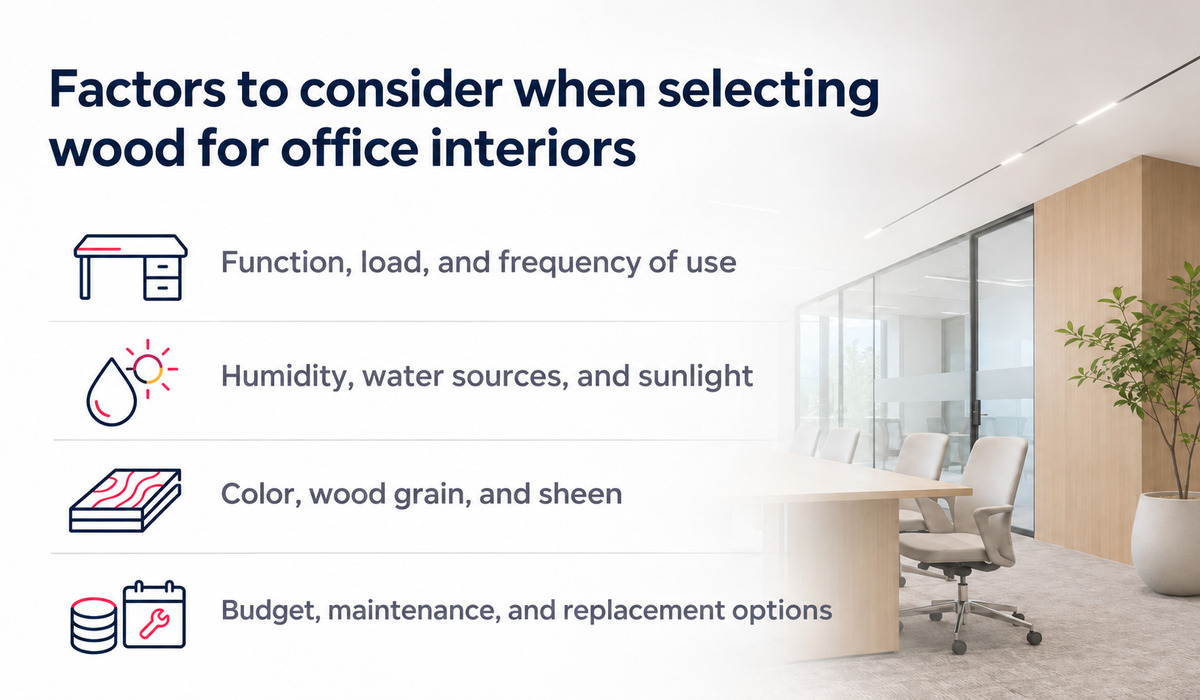
3.1. Function, load, and frequency of use
For filing shelves, the expected quantity of documents determines the panel thickness and support arrangement. Frequently used cabinet doors need a suitable number of hinges for their weight, along with material that holds screws securely at fixing points. Shared desktops need easy-to-clean surfaces because they frequently come into contact with equipment and drinks.
3.2. Humidity, water sources, and sunlight
Pantry cabinets may be exposed to splashes around the sink, standing water beneath the cabinets, or plumbing leaks. Cut edges, joints, and cabinet bases require careful protection wherever they could become wet. For furniture near glazing, the duration of direct sunlight should inform its placement or the provision of blinds.
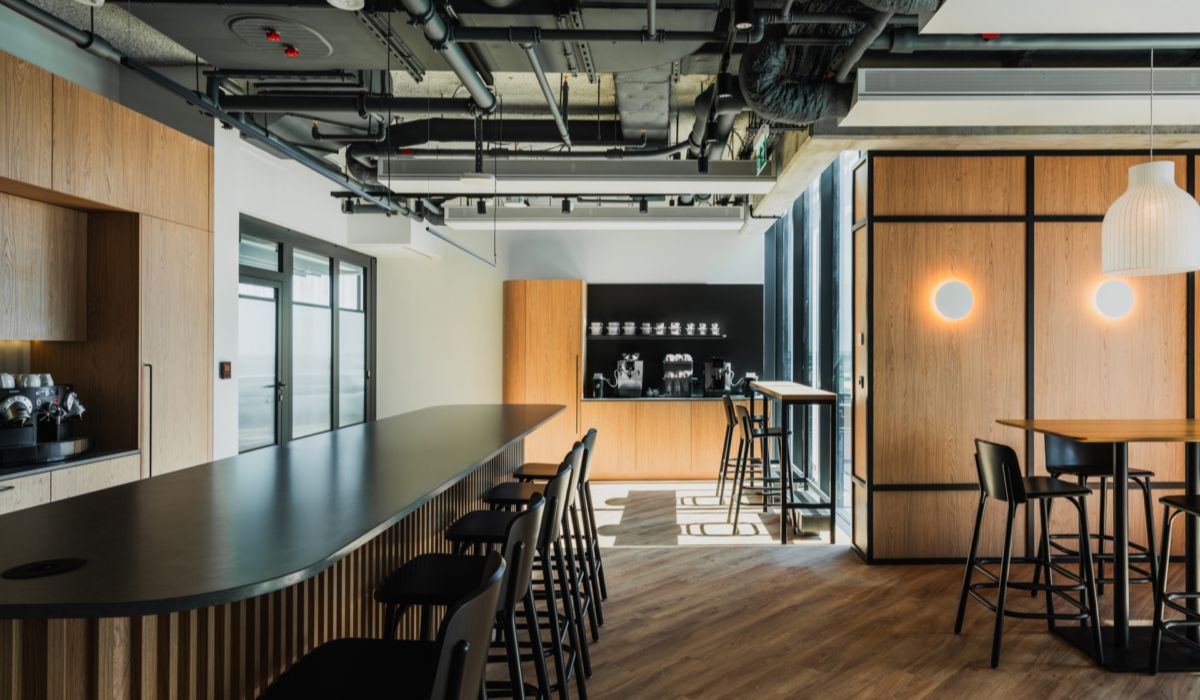
3.3. Color, grain, and sheen
Wood samples should be reviewed alongside flooring, wall colors, and adjacent materials to maintain a coordinated appearance. Where wood grain extends across multiple cabinet doors or cladding panels, establishing a consistent grain direction during design helps create continuity across joints. For glossy surfaces near glazing or lighting fixtures, view samples from regularly occupied seats and circulation routes to assess reflections.
3.4. Budget, maintenance, and replacement options
The cost of an item includes the panel core, surface finish, edge treatment, and hardware. When comparing options, businesses should also account for the cost of maintaining and replacing individual components. For matching desks or cabinets used across multiple areas, retaining material codes and component specifications makes it easier to replace individual desktops or cabinet doors.
4. How to select wood for different office applications
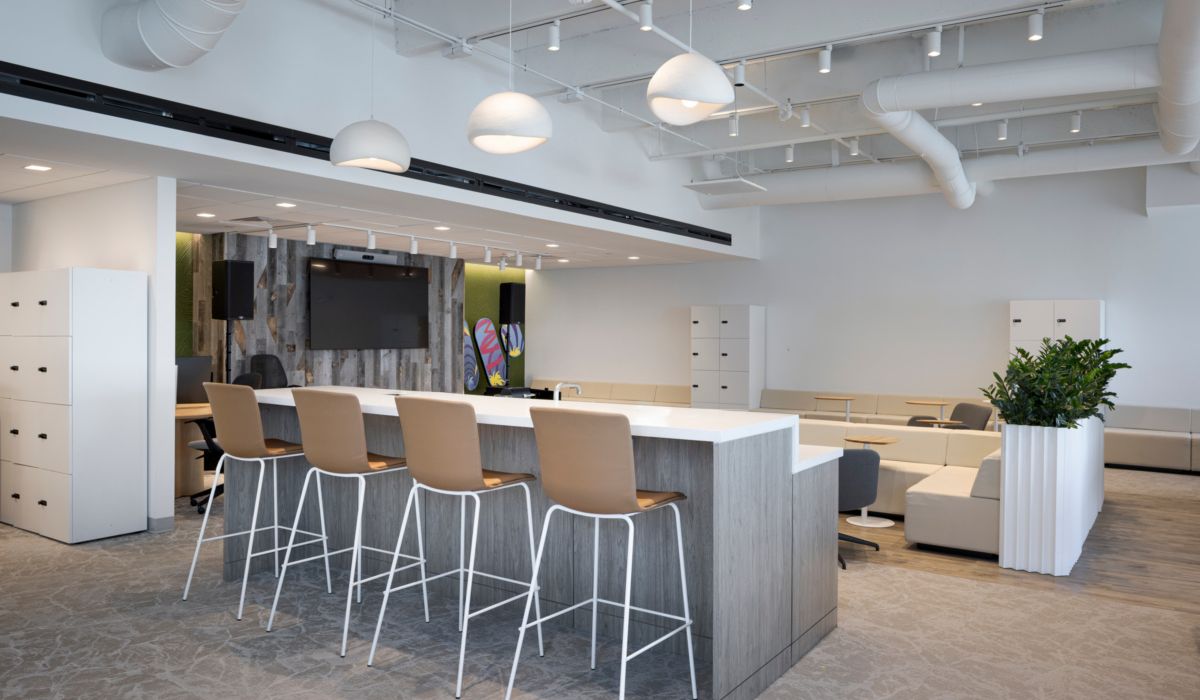
The same panel type can serve several applications when its specifications, supporting structure, and installation conditions are suitable. When choosing between common options, businesses can compare MFC, MDF, and HDF, then check them against the requirements of each application in the table.
| Application | Options to consider | Usage conditions | Details to check |
|---|---|---|---|
| Office desks | Melamine-faced particleboard or MDF with a suitable surface finish | Daily use and frequent cleaning | Ease of cleaning, desk edges, and cable access holes. |
| Meeting tables | Plywood, surfaced panels, or natural wood, as specified in the design | Long tabletops that may incorporate power modules | Spans between supports, base structure, and power module cutout locations. |
| Filing cabinets and shelves | Particleboard, MDF, or plywood selected according to the load | Document storage and frequent opening and closing of cabinet doors | Expected loads, support spacing, and hinge fixings. |
| Reception counters and wall cladding | Woodgrain-faced panels or wood-veneered panels | Large surfaces where color differences and joints are noticeable | Panel arrangement, grain direction, and edges exposed to impact. |
| Pantry cabinets | Panels with specifications suitable for humid conditions | Splashes, standing water, or potential leaks | Cutout edges, joints, cabinet bases, and access for plumbing inspection. |
5. Current trends in selecting wood in office interiors
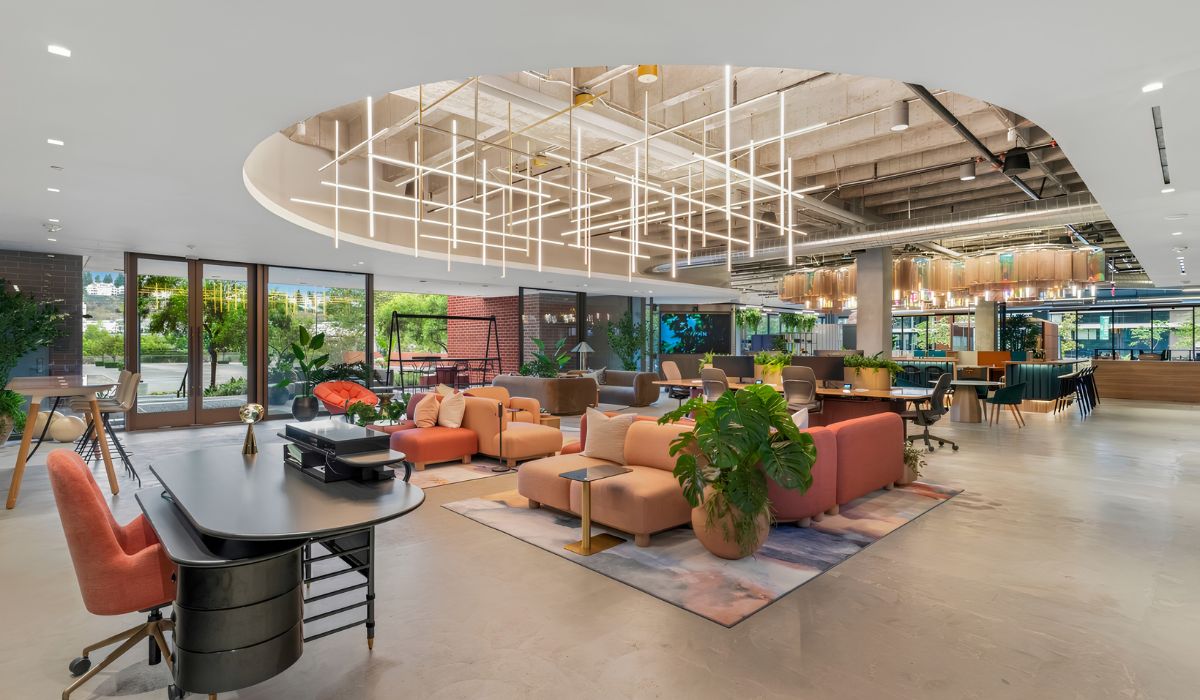
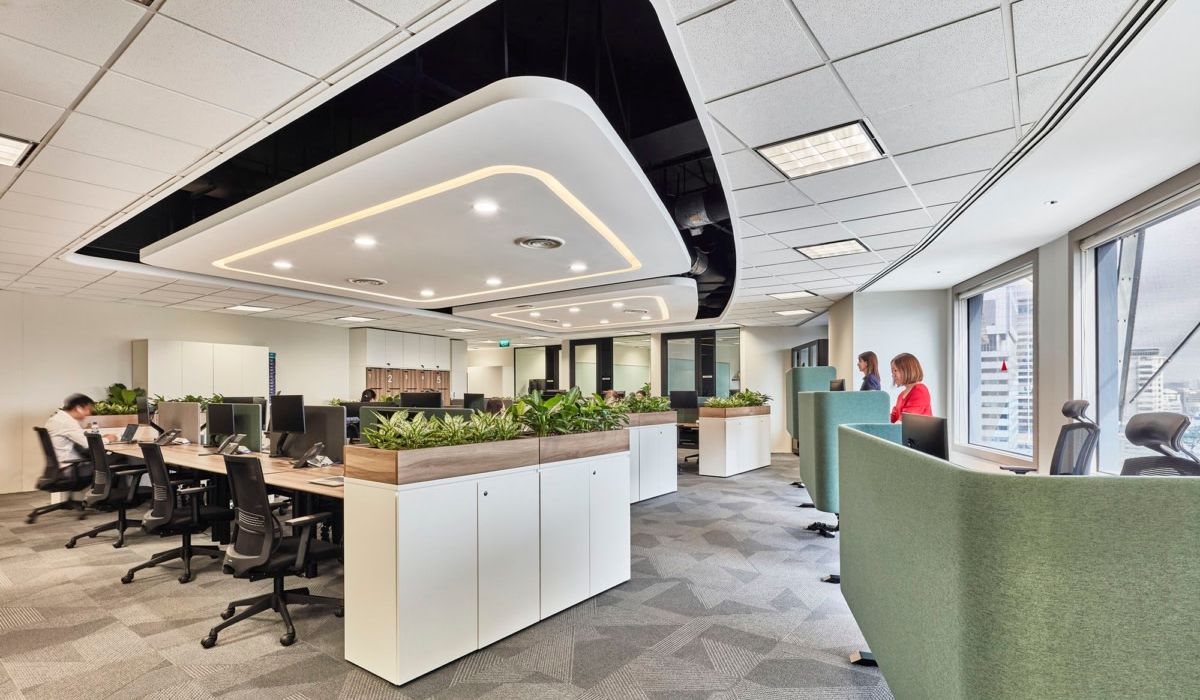
In shared work areas, light wood tones and matte surfaces give rows of desks and cabinets a consistent appearance. In lobbies and meeting rooms, wood grain can provide a focal point on reception counters or wall cladding, combined with stone, glass, and metal.
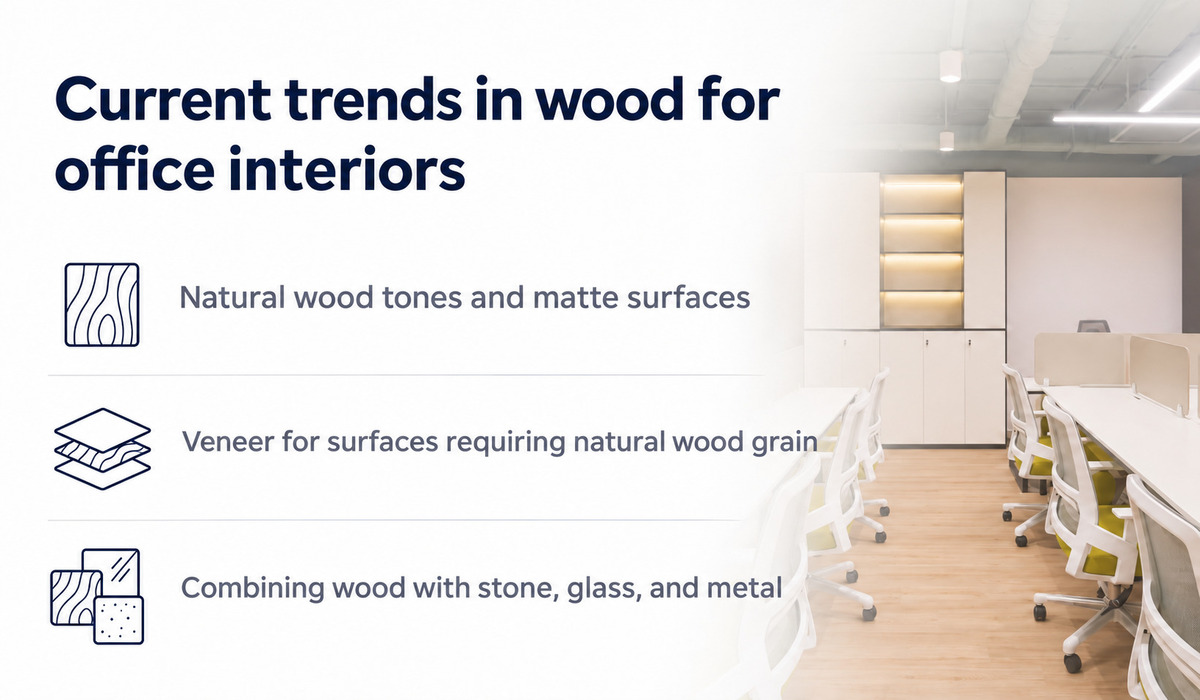
5.1. Natural wood tones and matte surfaces
Light oak and neutral wood tones coordinate easily with flooring and wall colors in shared work areas, particularly when the same wood color is used across several rows of desks and cabinet systems. When approving matte finishes, place wood samples beside flooring samples and wall paint colors under the actual lighting conditions to assess how well the shades work together.
5.2. Veneer for surfaces requiring natural wood grain
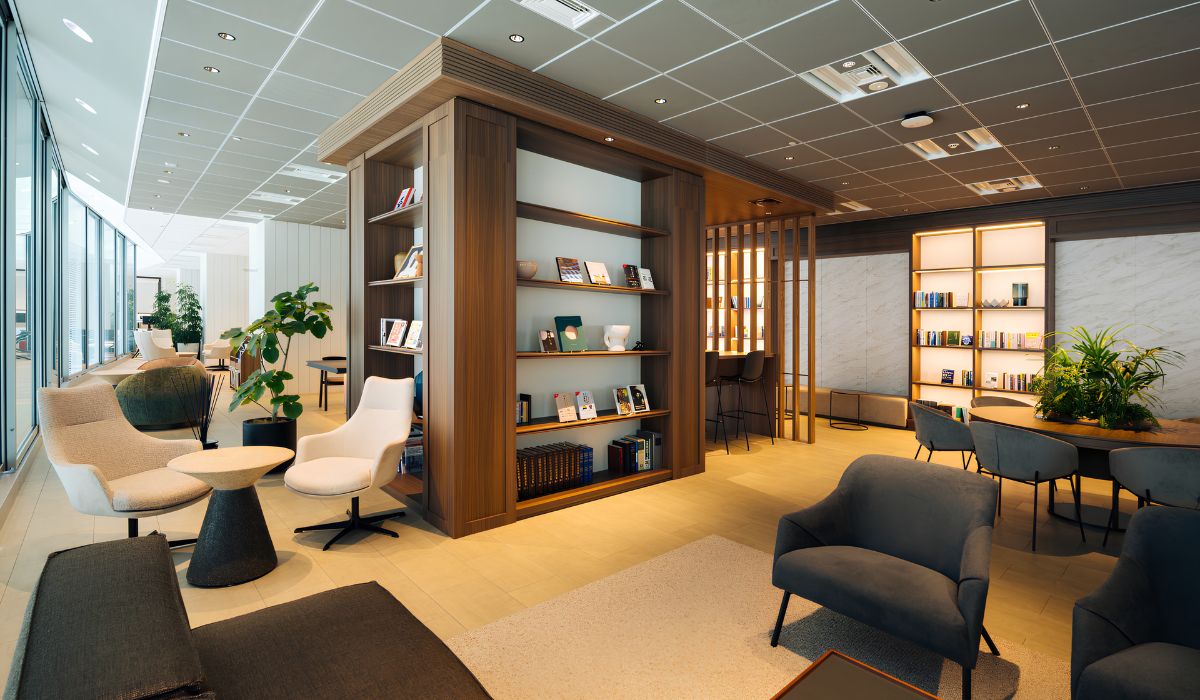
Wood veneer provides natural grain on reception counter fronts, meeting room walls, and cabinet doors. For large cladding areas, lay out adjacent panels before installation to determine grain direction and panel sequence, helping the grain flow naturally across joints.
5.3. Combining wood with stone, glass, and metal
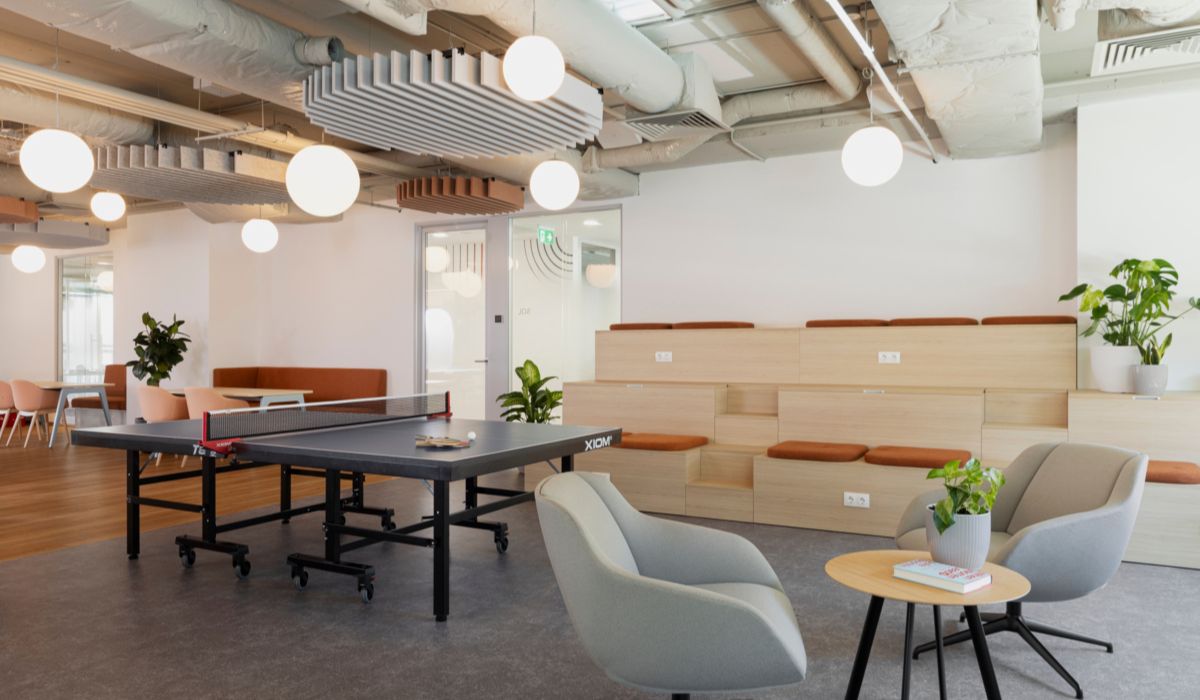
At reception counters, a wood-clad front creates a focal point when viewed from the entrance, while a stone countertop is easy to clean in frequently used areas. In meeting rooms, wood cabinetry can sit alongside glass partitions. For wood-topped meeting tables, a metal frame can support the tabletop while maintaining legroom.
6. Technical criteria for selecting wood in office interiors
Approved samples need to show the color, grain, and surface finish of the relevant item. Drawings must include sufficient specifications for the fabrication team to match the approved sample and properly detail areas vulnerable to damage.
6.1. Check color, grain, and finish on physical samples
Place samples beside one another under lighting similar to the installation conditions. Check color variations, grain direction, sheen, and corner finishes. For large cabinet systems or walls, a sample assembly comprising two adjacent panels can be approved to assess the joint. Record the agreed material codes and grain direction.
6.2. Cross-check panel cores, edges, and connections on drawings
Cross-check the panel type, thickness, edge-banding locations, and hardware types across the samples, material schedule, and drawings. For pantry cabinets, check plumbing cutout edges and joints near the sink separately. For meeting tables and filing shelves, check support locations and connections before approving fabrication.
7. How to clean and maintain wood furniture in offices
Each wood surface has specific cleaning requirements. During routine cleaning, businesses should also inspect areas where water may collect or that receive frequent direct sunlight.
- Clean with a soft cloth: Select a cleaning solution suitable for the finish and dry the surface according to the product instructions.
- Wipe up spills immediately: Absorb water with a soft cloth, then dry the area, particularly around panel edges, joints, and cable access holes.
- Inspect cabinets beneath sinks: Check cabinet bases and areas around plumbing for standing water or leaks, and address any issues promptly.
- Limit direct sunlight: Use blinds or position wood furniture away from glazing where it would frequently receive direct sunlight.
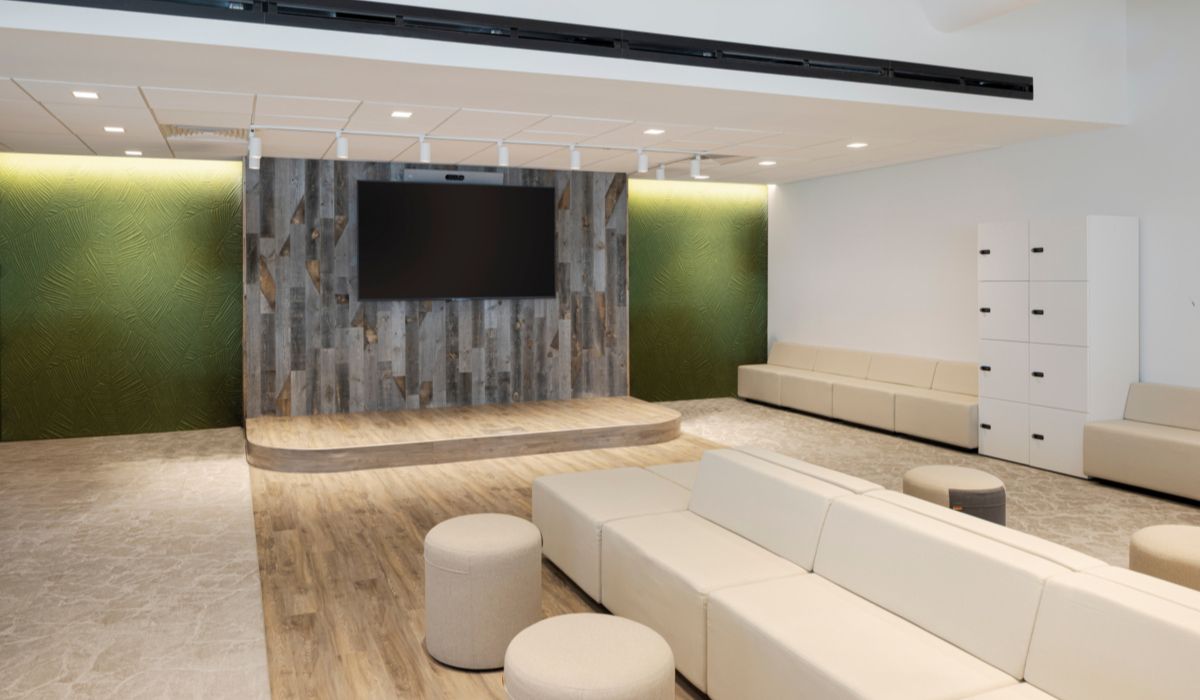
Before approving fabrication, businesses should cross-check wood samples against the drawings and the usage conditions for each item. When carrying out office design & build projects, clearly specify the wood type, surface finish code, and details requiring inspection, such as supports beneath meeting tabletops or cut edges around pantry sinks.
8. Frequently asked questions (FAQ)
8.1. Is engineered wood suitable for office desks used every day?
Yes. Engineered wood desktops can meet daily usage requirements when the surface suits the cleaning frequency, the edges are fully sealed, and the base provides adequate support for the desktop dimensions. For desks holding multiple devices, also check the expected load and support arrangement.
8.2. Why can natural wood tabletops warp after installation?
Wood absorbs or releases moisture as environmental conditions change. If its two faces exchange moisture at different rates, the board may deform. Warping also relates to the wood’s moisture content during fabrication and how the tabletop is attached to its base. When reviewing drawings, check that the connections allow for movement across the grain.
8.3. How thick should a wood meeting tabletop be?
The thickness needs to be determined according to the material type, expected load, and distance between supports. For long tables, a frame or support rails can be added beneath the top to reduce the panel’s unsupported span. Review power module locations and legroom together when approving the drawings.
8.4. Can moisture-resistant panels be used for cabinets beneath pantry sinks?
They can be used if the specific panel product is suitable for the expected moisture conditions, cut edges and openings are protected, and the cabinet provides access for plumbing inspection. If standing water frequently occurs, address the cause and select materials according to the actual level of water exposure.
8.5. Can scratches on wood desktops be repaired?
The repair method depends on the finish and the depth of the scratch. For painted surfaces, assess whether touch-ups with compatible materials are possible. Deep scratches in a surface layer may require replacement of that layer or the entire panel to maintain consistent color and grain.