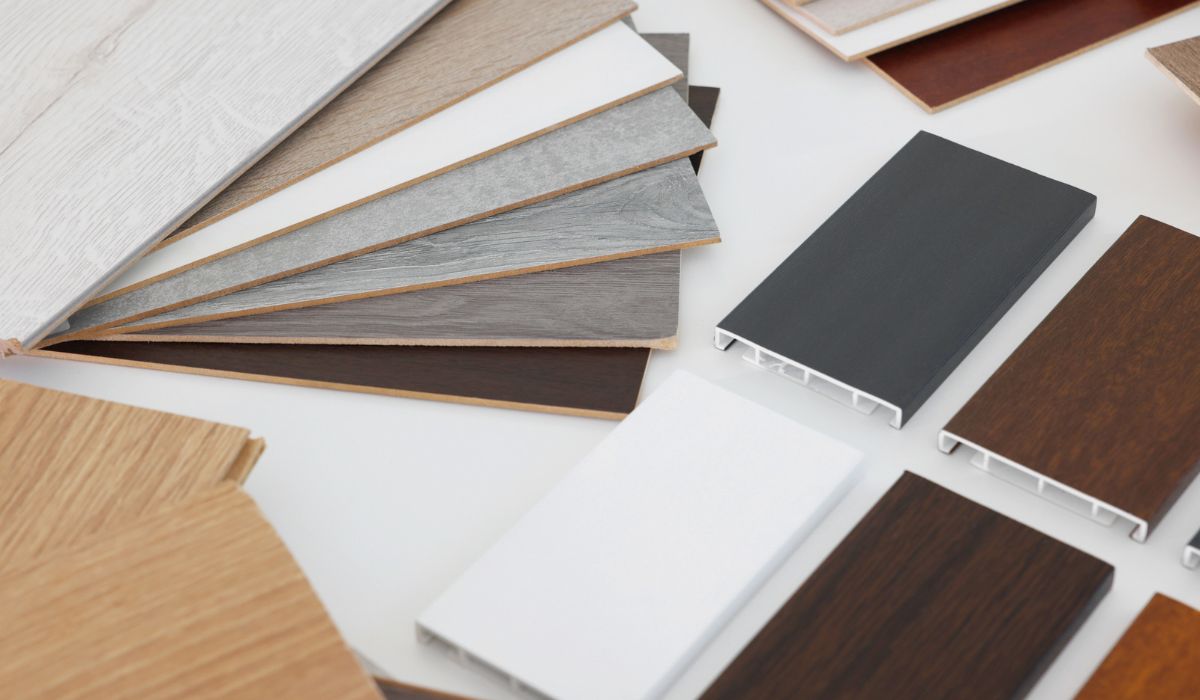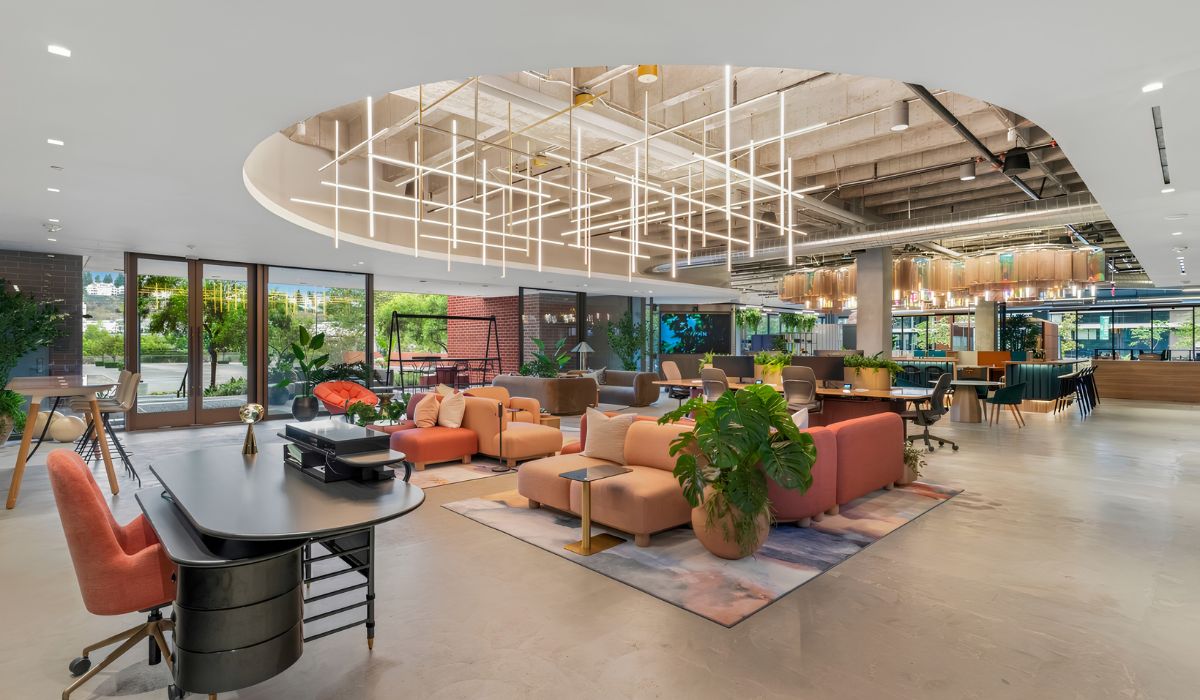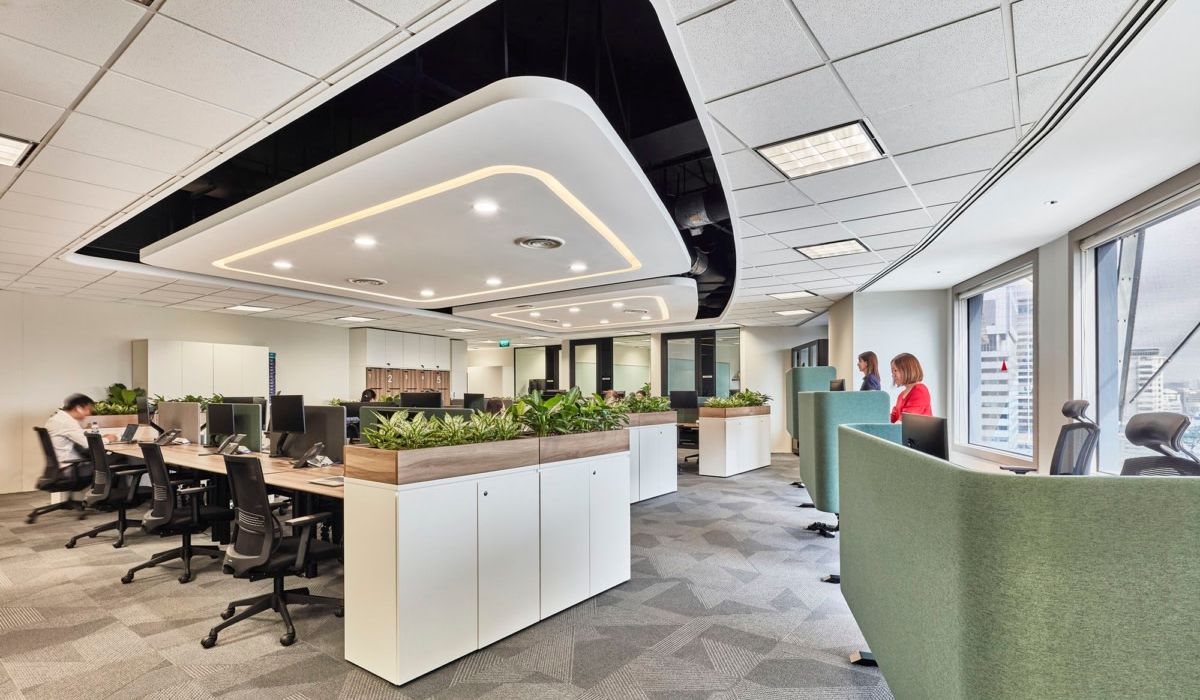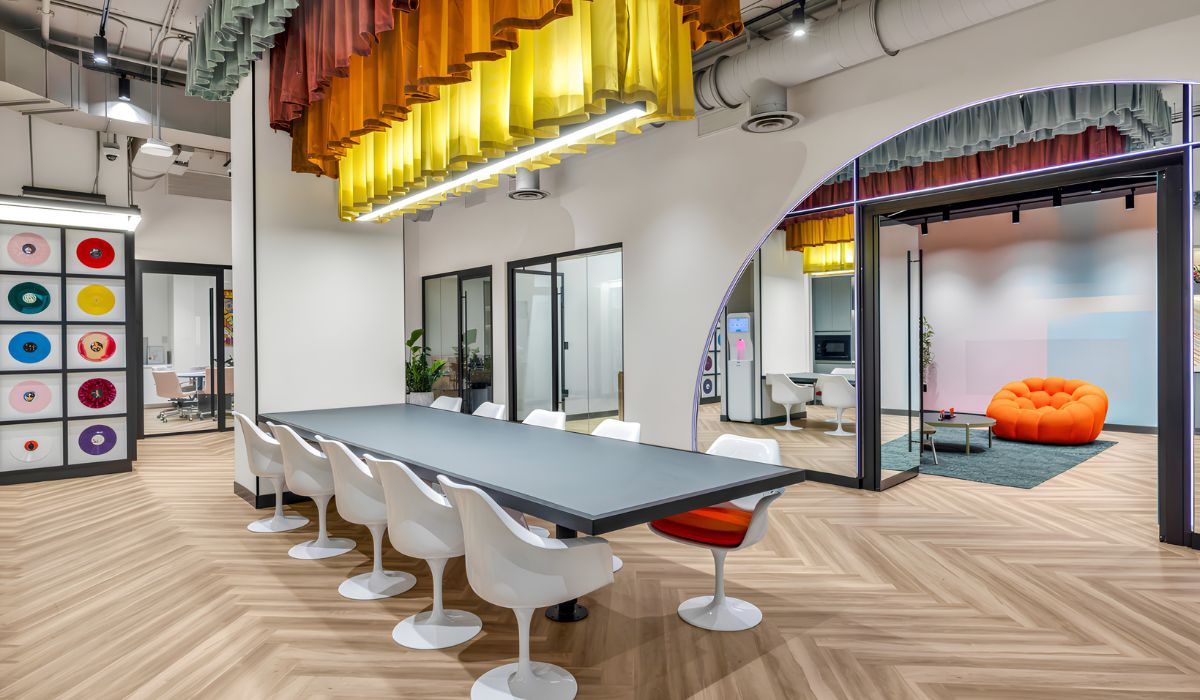
Vinyl is used in many office applications, from flooring and wallcoverings to furniture finishes and seating upholstery. Each application has its own construction and performance requirements. Understanding what vinyl is helps businesses select suitable products, coordinate finishes with the design, and establish care requirements when approving samples.
1. What is vinyl?
Vinyl is a common name for polyvinyl chloride (PVC), a synthetic thermoplastic produced by polymerizing vinyl chloride. Depending on the additive formulation, vinyl can be rigid or flexible, with colors and properties suited to applications such as pipes, electrical cables, films, and upholstery materials.
2. What is vinyl made of?
PVC resin is the main component of many vinyl materials. Depending on the intended application, manufacturers combine PVC with additives to adjust flexibility, durability, color, and other required properties. Common components include:
- Plasticizers: Make vinyl softer and more flexible, commonly used in films, coated fabrics, and other flexible vinyl products.
- Stabilizers: Help limit material degradation caused by heat during processing or light exposure during use.
- Fillers: Adjust rigidity, certain mechanical properties, and production costs, depending on the formulation.
- Colorants: Provide colors and surface effects to meet each product’s design requirements.
- Functional additives: Provide specific properties to meet the technical requirements of individual applications.
In addition to these components, some vinyl products include a fabric backing, an adhesive layer, or a protective surface coating. Businesses should therefore review each product’s construction and technical specifications to select a material suited to its intended use.
3. Common types of vinyl
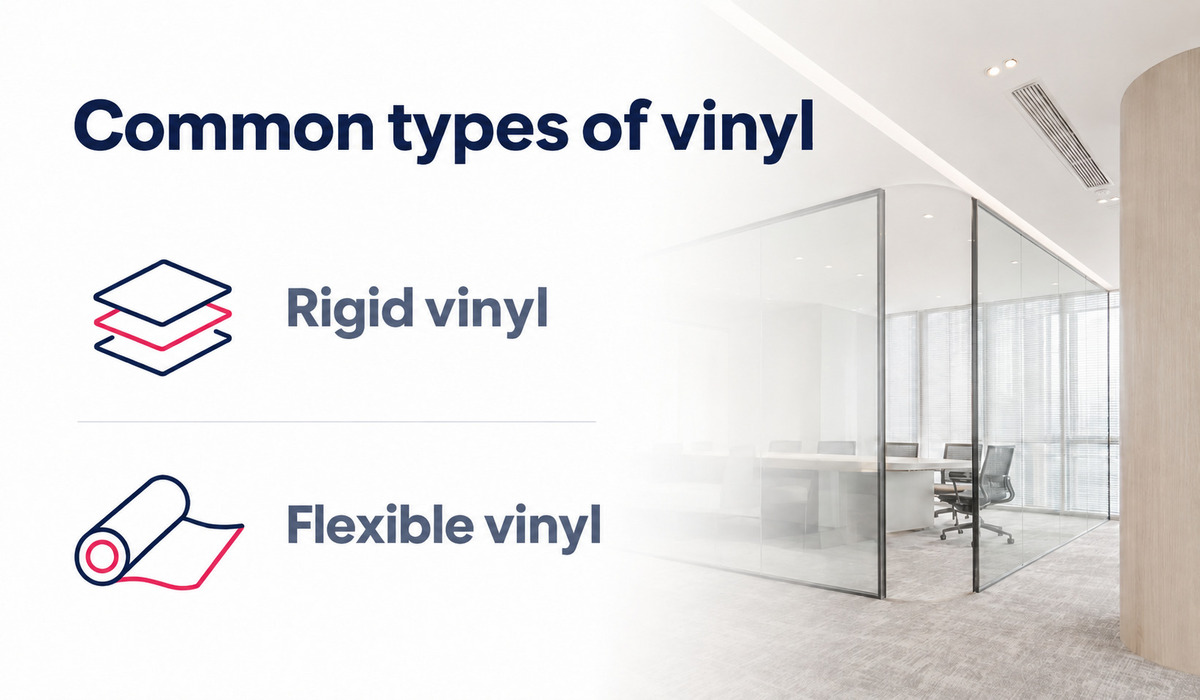
Vinyl is generally divided into two main categories: rigid vinyl and flexible vinyl, based on the material’s stiffness and ability to bend. Each type has different properties and applications in manufacturing, construction, and interiors.
3.1. Rigid vinyl
Rigid vinyl contains little or no plasticizer, giving it high stiffness and good dimensional stability. It is commonly used to manufacture window and door frames, profiles, and engineering plastic sheets. For interior applications, select products with suitable durability, load-bearing performance, and installation methods.
3.2. Flexible vinyl
Flexible vinyl contains plasticizers to increase softness and flexibility. It is commonly used for films, plastic curtains, upholstery fabrics, and certain types of vinyl flooring. Depending on its composition and construction, each product will have different levels of flexibility, abrasion resistance, and cleaning requirements.
4. Advantages and limitations of vinyl in interiors
Vinyl is used in many interior applications because it offers a variety of colors, styles, and surface finishes. However, its durability and suitability also depend on the specific product, its construction, and installation conditions.
4.1. Advantages of vinyl
Vinyl can be manufactured with different properties to suit applications such as seating upholstery, furniture surface finishes, and interior decoration. Key advantages include:
- Varied colors and finishes: Options include solid colors, woodgrain, stone effects, and leather-look finishes that coordinate with different interior styles.
- Ease of processing: Vinyl can be manufactured as thin films, surface coverings, or upholstery materials with different levels of flexibility.
- Convenient cleaning: Many products have easy-to-wipe surfaces suitable for frequently used furniture and interior finishes.
- Moisture resistance: The PVC layer itself absorbs little water, making it suitable for applications requiring frequent wiping when correctly installed.
- A range of price points: Businesses can choose from different product categories to suit their budgets and finish requirements.
4.2. Limitations of vinyl
Alongside its advantages, vinyl has several limitations to consider, particularly in locations exposed to frequent friction, high temperatures, or direct sunlight.
- Sensitivity to heat and sunlight: Some vinyl products may fade, deform, or lose adhesion after prolonged exposure to heat and sunlight.
- Susceptibility to scratches or tears: Sharp objects, concentrated loads, or excessive friction can damage the surface.
- Dependence on substrate condition: For adhesive-applied vinyl, uneven, dusty, or incompatible substrates can cause the covering to peel.
- Difficulty matching repairs: Tears or deep scratches may require replacement, and materials from different batches may vary in color.
- Need to verify product quality: Review composition, emissions information, and usage instructions to select materials suitable for indoor applications.
5. Applications of vinyl in office interiors
Vinyl is used in many office interior applications, including flooring, wallcoverings, seating upholstery, and decorative glass films. Each application has different requirements for durability, appearance, and cleaning. Businesses should select products with construction and performance characteristics suited to each location.
5.1. Office flooring
Vinyl flooring comes in various designs, colors, and constructions suitable for work areas, corridors, and meeting rooms. When selecting a product, businesses should consider foot traffic, resistance to chair caster movement, and the cleaning requirements of each area.
When comparing office carpet and vinyl flooring, consider underfoot comfort, noise reduction, and ease of replacement. For spaces requiring quiet conditions, assess additional acoustic requirements to select an appropriate flooring system.
5.2. Vinyl-coated paper and fabric wallcoverings
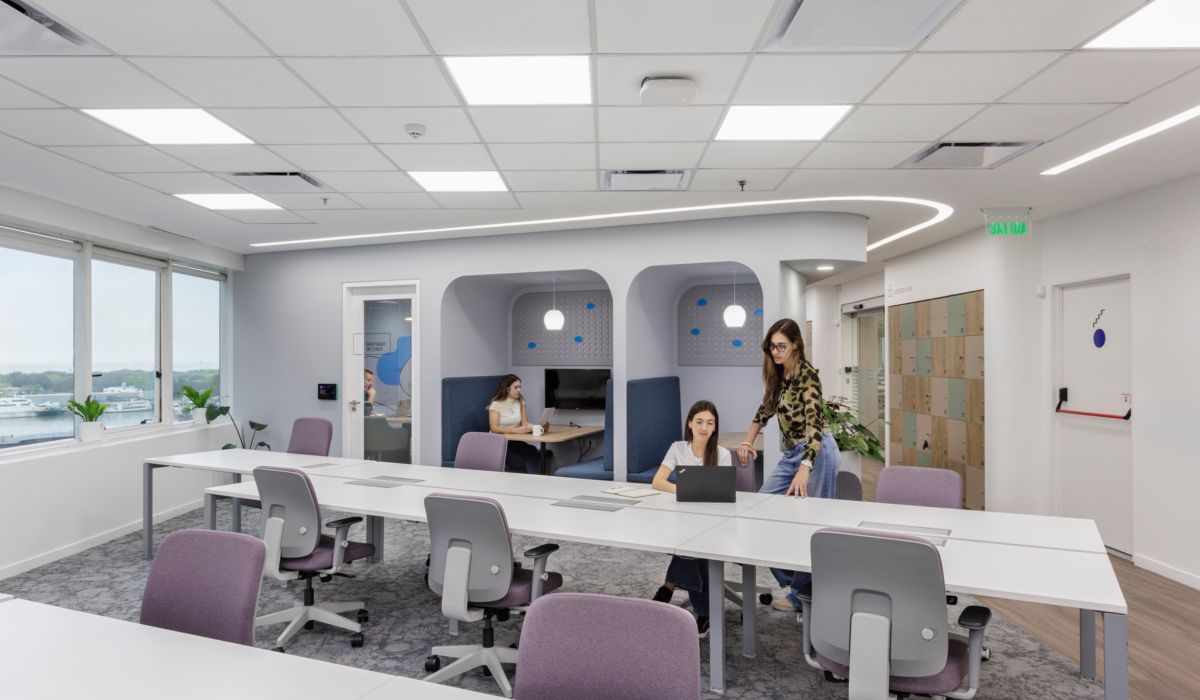
Vinyl-coated paper and fabric wallcoverings have a PVC surface layer combined with a paper, fabric, or other backing material. Available in various colors, patterns, and textures, these products are commonly used in reception areas, corridors, and meeting rooms.
Before installation, check wall dryness, adhesive suitability, and the material’s cleaning requirements. In areas prone to impact, prioritize products with suitable resistance to rubbing and abrasion. Businesses should also review samples under actual office lighting conditions to assess color, sheen, and seams.
5.3. Vinyl films for desk, cabinet, and partition surfaces
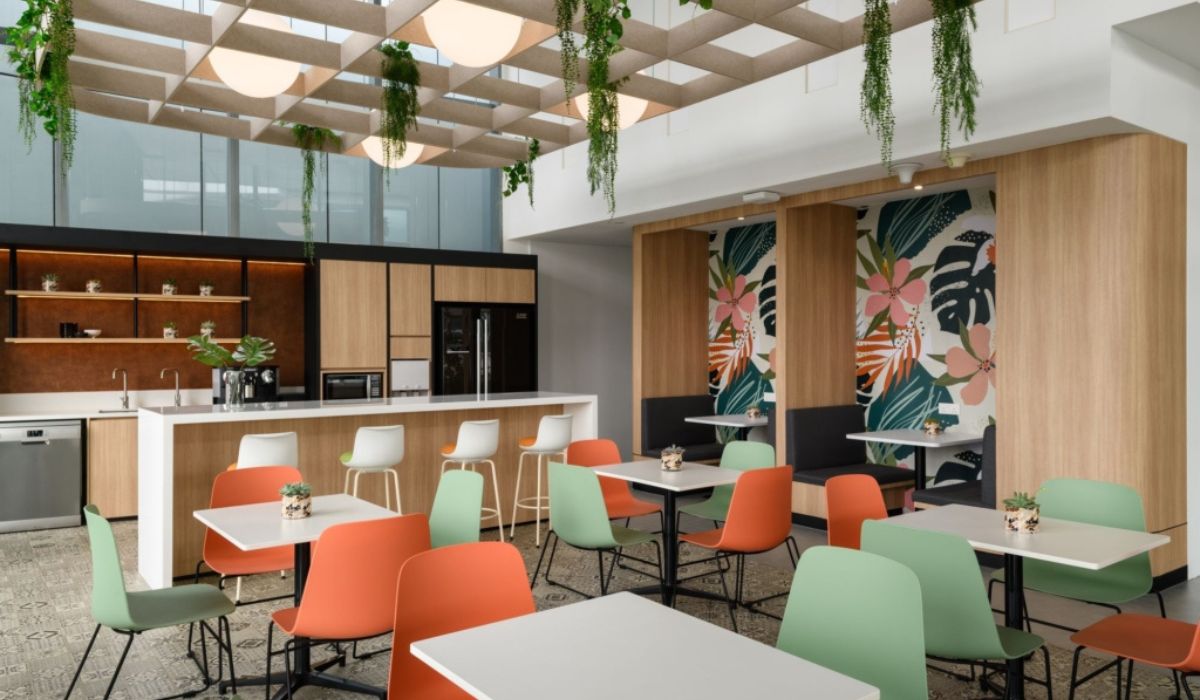
Decorative vinyl films are used to finish desks, cabinet doors, and interior partitions. Available in various colors, patterns, woodgrain finishes, and stone effects, they can be used to decorate or refresh office interiors. When applying films to existing surfaces, check substrate flatness, soundness, and adhesion.
For office desks, surfaces frequently come into contact with hands, equipment, and other objects, so the film should provide suitable abrasion resistance. Businesses should test samples on flat surfaces, corners, and desk edges to assess adhesion and finish quality before installation.
5.4. Vinyl-coated fabrics for chairs and bench seating
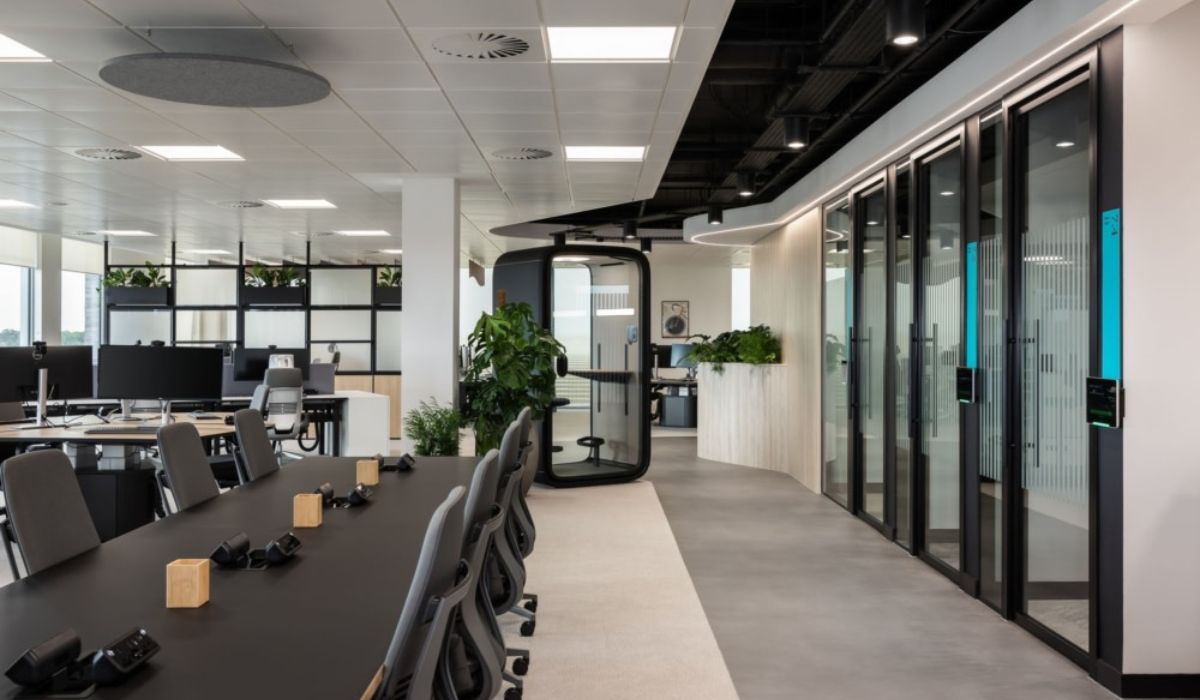
Vinyl-coated fabrics typically consist of a PVC layer on a woven fabric backing, creating a soft surface that can replicate the appearance of leather. They are used to upholster visitor chairs, waiting-area benches, and seating in the pantry. Selection should consider softness, seating comfort, and the material’s ability to conform to cushion shapes.
In addition to color, businesses should check abrasion resistance, seam strength, and cleaning instructions. For frequently used seating or seats likely to come into contact with drinks, prioritize products with surfaces suited to the expected frequency of use and actual cleaning methods.
5.5. Vinyl decals for glass decoration and brand identity
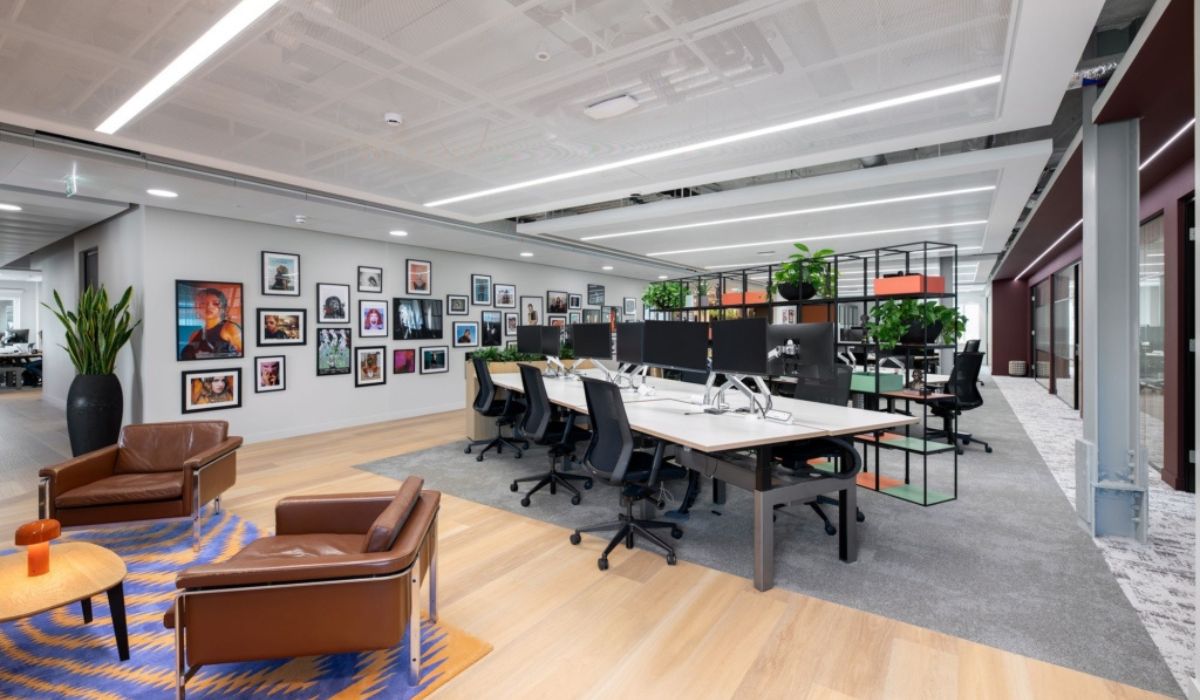
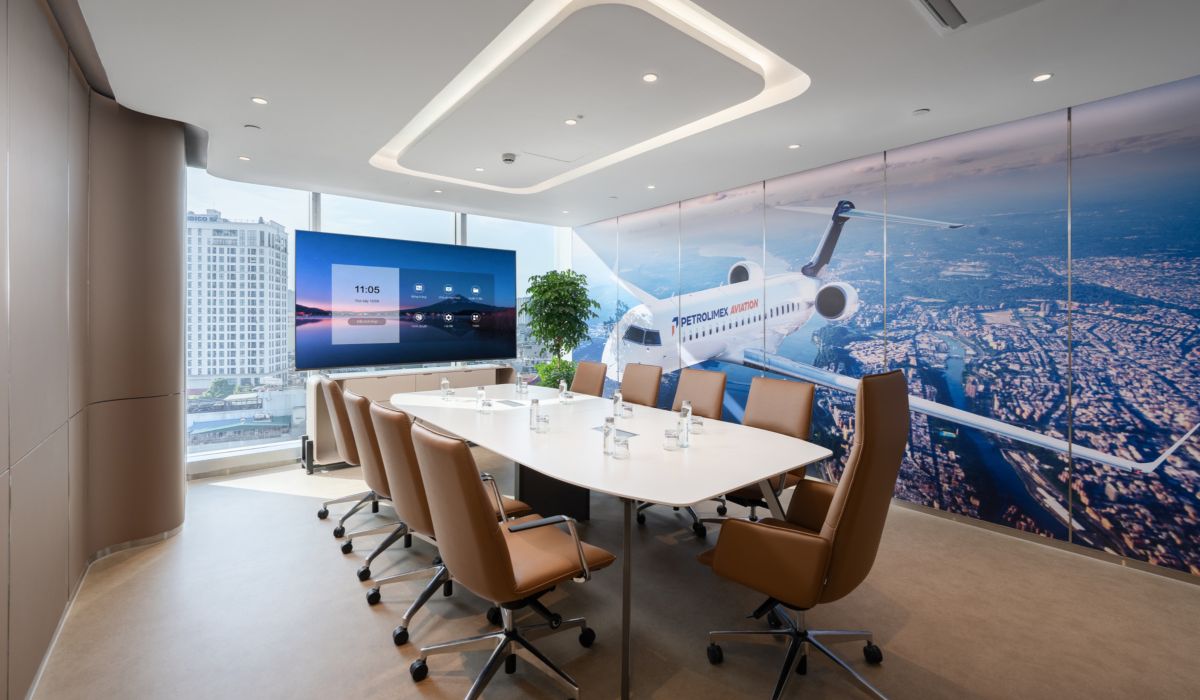
Vinyl decals are commonly used to decorate glass with logos, patterns, and brand colors. In meeting rooms or areas requiring privacy, decals with suitable opacity can also limit visibility from outside.
Before installation, businesses should apply a test sample to the glass to check color, opacity, and edge quality. For designs that require periodic replacement, consider ease of removal, adhesive residue cleaning, and the effect on the glass surface after use.
5.6. PVC curtains and flexible partitions
Flexible vinyl is also used to manufacture PVC curtains and flexible partitions. These products are commonly installed at warehouse entrances, storage areas, and support spaces that require separation while allowing convenient access.
When selecting a product, businesses should consider transparency, flexibility, dimensions, and how frequently people or goods pass through the curtains. The hanging system and installation accessories should also suit the doorway construction and actual operating conditions.
6. Is vinyl safe to use in offices?
Vinyl can be used safely in offices when the product meets quality, emissions, and intended-use requirements. However, safety also depends on the material composition, adhesive, backing, and conditions of use. Businesses should review product technical documentation before making a selection.
6.1. Factors affecting vinyl safety
Vinyl safety depends on material composition, product quality, and conditions of use. When selecting vinyl for offices, businesses should consider the following factors:
- Additive composition: Some products contain plasticizers and other additives. Check the composition in each product’s documentation.
- Emissions levels: Vinyl, adhesives, and accompanying materials may emit volatile organic compounds (VOCs). Review relevant test results.
- Ventilation conditions: The ventilation system should operate appropriately to limit the accumulation of airborne pollutants.
- Temperature and sunlight: High temperatures or direct sunlight may affect the durability and properties of some vinyl products.
- Installation and cleaning: Follow installation instructions and adhesive drying times, and use cleaning products suitable for the surface.
6.2. How to check the safety of vinyl products
When selecting vinyl for offices, businesses should prioritize products with clear provenance, technical documentation, and relevant quality test results. Information to review includes material composition, emissions levels, conditions of use, and installation instructions.
7. Considerations when selecting and caring for vinyl interior finishes and furniture
When selecting vinyl interior finishes and furniture, businesses should consider the location, durability, and cleaning requirements of each product. During office design and build, agree on material codes, colors, and finish details before installation to help ensure quality at project handover.
7.1. Select products according to location and usage
Each interior application involves different levels of contact and performance requirements. Businesses should select vinyl materials according to the characteristics of each location and check the following:
| Application | What to check |
|---|---|
| Walls and decorative partitions | Substrate soundness, ease of cleaning, durability in areas prone to impact, and joint detailing. |
| Desk surfaces and cabinet doors | Abrasion resistance, adhesion, suitability for horizontal or vertical surfaces, and edge finishing. |
| Chairs and bench seating | Softness, seating comfort, abrasion resistance, seam strength, and cleaning methods. |
| Glass decals | Opacity, color appearance from both sides, adhesion, and ease of removal and replacement when needed. |
| PVC curtains | Flexibility, transparency, resistance to contact during passage, and the strength of the hanging system. |
7.2. Approve colors, surfaces, and finish details
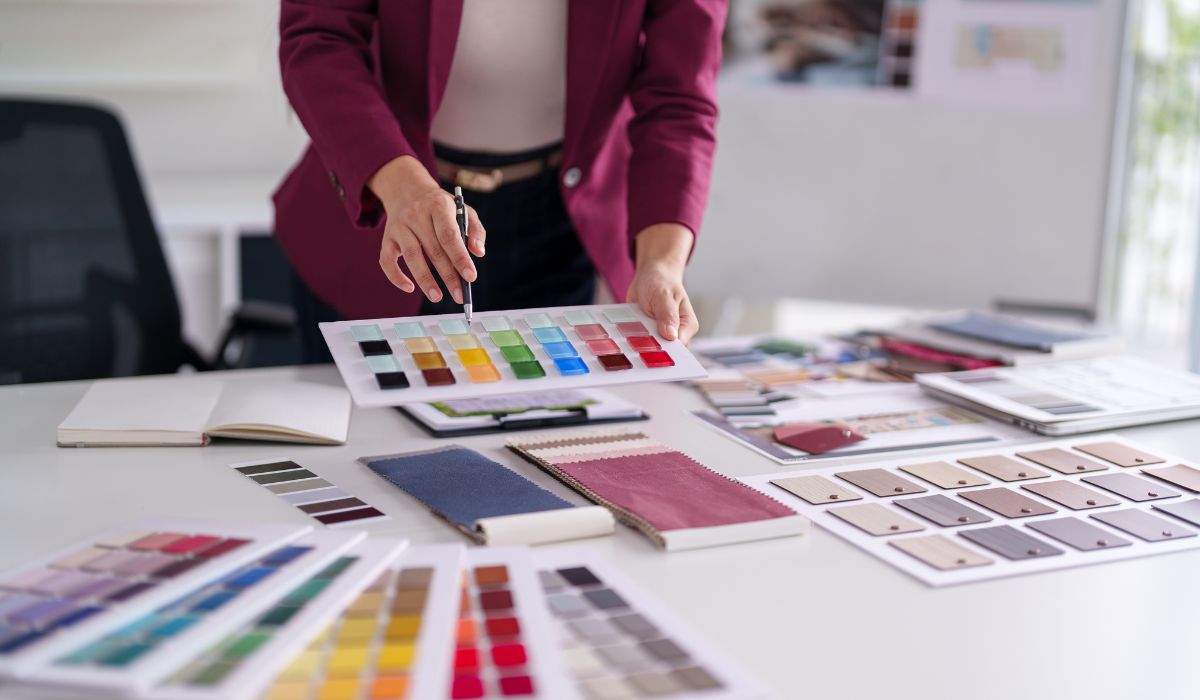
Before placing an order, businesses should review vinyl samples large enough to assess color, pattern, sheen, and surface feel. For adhesive-applied or upholstered products, also check corner, edge, and seam details to ensure an appropriate appearance after installation.
Keep approved samples together with product codes and batch information for comparison during installation. For applications that may require partial replacement, businesses can retain an appropriate quantity of spare material to limit future color differences.
7.3. Clean and protect vinyl surfaces
Vinyl interior finishes and furniture require proper cleaning to preserve their color and limit damage during use. Depending on the product, businesses can apply the following measures:
- Use a soft cloth: Wipe surfaces with a soft cloth and a suitable cleaning solution, avoiding harsh cleaners that could damage the finish.
- Wipe up spills: Promptly remove spilled water and drinks, especially around bonded edges, seams, and material junctions.
- Avoid sharp objects: Minimize dragging objects across surfaces or allowing sharp items to rub directly against the vinyl.
- Inspect edges and seams: Monitor areas prone to peeling, cracking, or tearing and address damage promptly to prevent it from spreading.
Vinyl offers various finish options for office walls, furniture, and upholstered seating. To select suitable products, businesses should review physical samples, match performance characteristics to the installation location, and check technical documentation. Color, durability, and cleaning requirements should also be considered together to maintain the quality of interior finishes and furniture during use.
8. Frequently asked questions (FAQ)
8.1. Is vinyl durable?
Durability depends on the formulation, surface finish, backing material, and level of use. When selecting a product, review performance criteria relevant to the application, such as abrasion resistance for upholstery or adhesion for adhesive films. Review the warranty period together with its applicable conditions.
8.2. Are vinyl products completely waterproof?
PVC is water-resistant, while the ability to protect the entire application depends on the backing, adhesive, edges, and joints. For vinyl wallcoverings or vinyl-covered furniture, check the permitted level of water exposure and how to detail areas where water could penetrate the substrate.
8.3. Can vinyl be used outdoors?
Some vinyl products are designed for outdoor use. Select a specific product code with declared conditions of use covering sunlight, temperature, and humidity. For adhesive films, the adhesive and receiving substrate must also suit the installation location.
8.4. Can vinyl be recycled?
PVC can be recycled through appropriate processes. Whether a finished product can be recovered also depends on its composition, backing, adhesive, contamination level, and the receiving facility. When selecting materials, businesses can ask about take-back programs and sorting requirements after removal.
8.5. Can damaged vinyl surfaces be repaired or replaced individually?
The available options depend on the product type and extent of damage. Some adhesive-applied sheets or upholstered sections can be replaced individually where their construction allows. Before carrying out repairs, check the potential impact on the substrate, the extent of removal required, and whether the replacement can match the color of the remaining material.