Melamine board is widely used for office desks, filing cabinets, and wall panels because it offers a variety of colors and woodgrain patterns, along with an easy-to-clean surface. However, the same melamine finish can be applied to different board cores, each with distinct properties. Businesses therefore need to select the right core, surface finish, and edge treatment for each furniture item.
1. What is melamine board?
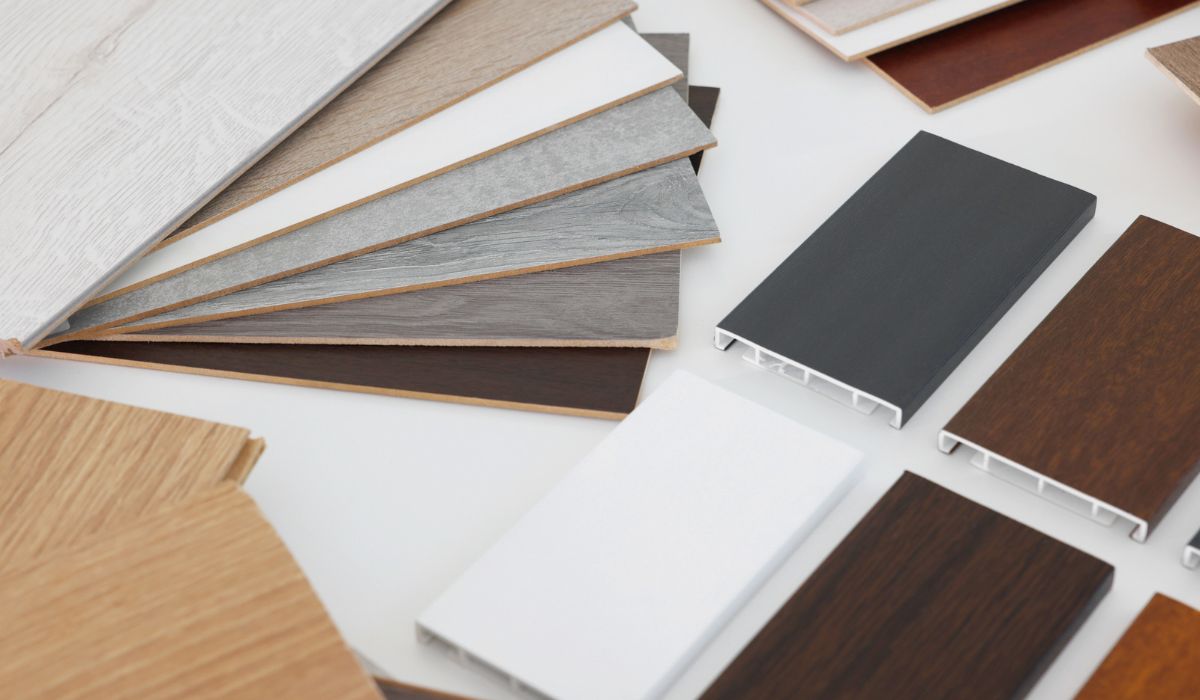
Melamine board is an engineered wood panel surfaced with decorative paper impregnated with melamine resin. This finish provides the specified color, woodgrain pattern, and sheen while making the surface easy to wipe clean. The finished panel consists of two main components: an internal wood-based core and an external melamine surface.
2. Melamine board construction
Melamine board consists of an internal wood-based core and an external decorative surface. Some products also include a protective overlay to improve durability during use.
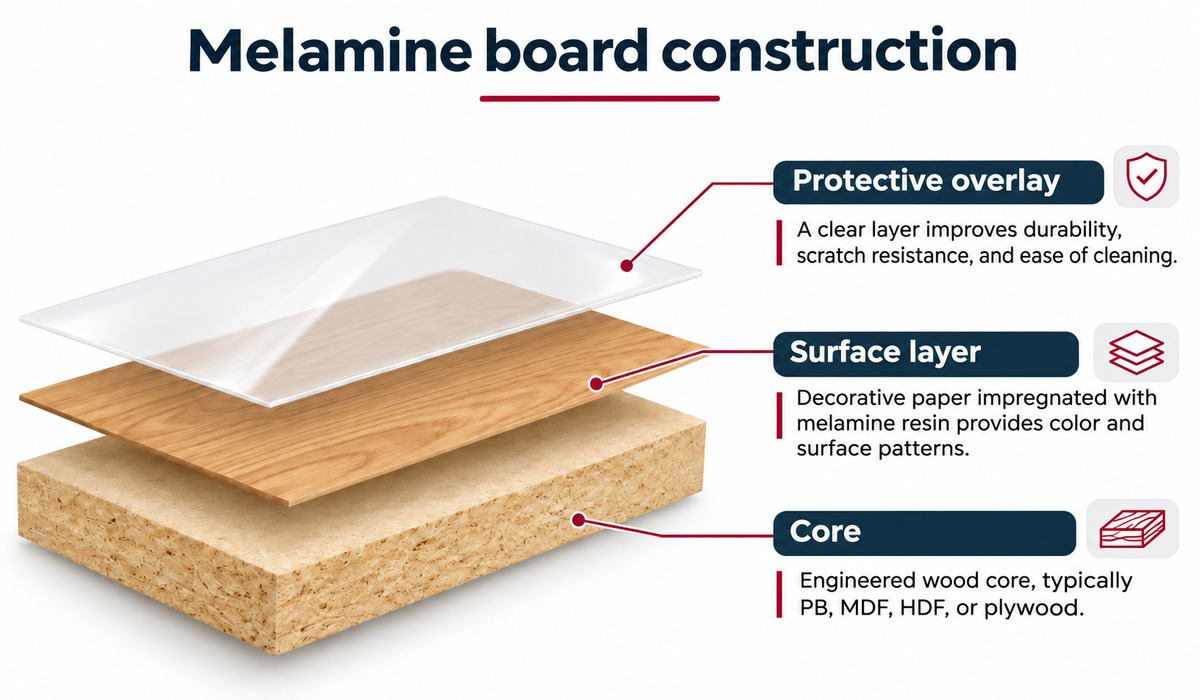
- Core: Typically particleboard or MDF. The core type and thickness determine load-bearing capacity, screw-holding performance, and suitable conditions of use.
- Surface layer: Decorative paper impregnated with melamine resin is pressed onto the core to provide color, woodgrain patterns, and sheen.
- Protective overlay: Available on certain product ranges to improve abrasion resistance and help reduce surface scratches.
3. Pros and cons of melamine board
Melamine board is widely used in office interiors because it offers varied colors, is easy to clean, and suits many applications. However, it also has limitations in moisture resistance, scratch resistance, and the machining of shaped components.
3.1. Advantages of melamine board
Melamine surfaces offer a variety of colors and decorative patterns suitable for office furniture and interior finishes. Key advantages include:
- Varied designs: Solid colors, woodgrain patterns, stone effects, and different surface finishes make it easy to coordinate with the design style.
- Easy cleaning: The smooth surface resists dirt buildup and can be wiped with a soft cloth during everyday use.
- Practical fabrication: Suitable for flat components such as desktops, cabinet doors, and panels that require consistent colors.
3.2. Disadvantages of melamine board
Despite its advantages, melamine board has limitations when exposed to water, impact, or machining for complex details. Points to consider include:
- Susceptible to water damage: Water entering through panel edges, joints, or drilled holes can cause the core to swell.
- Deep scratches are difficult to repair: Impact can scratch or chip the surface, making it difficult to restore the original color and pattern.
- Limited suitability for complex shapes: The board works well for flat surfaces, but curved components or deep routed grooves are difficult to produce while preserving the finish.
4. Common melamine board types for offices
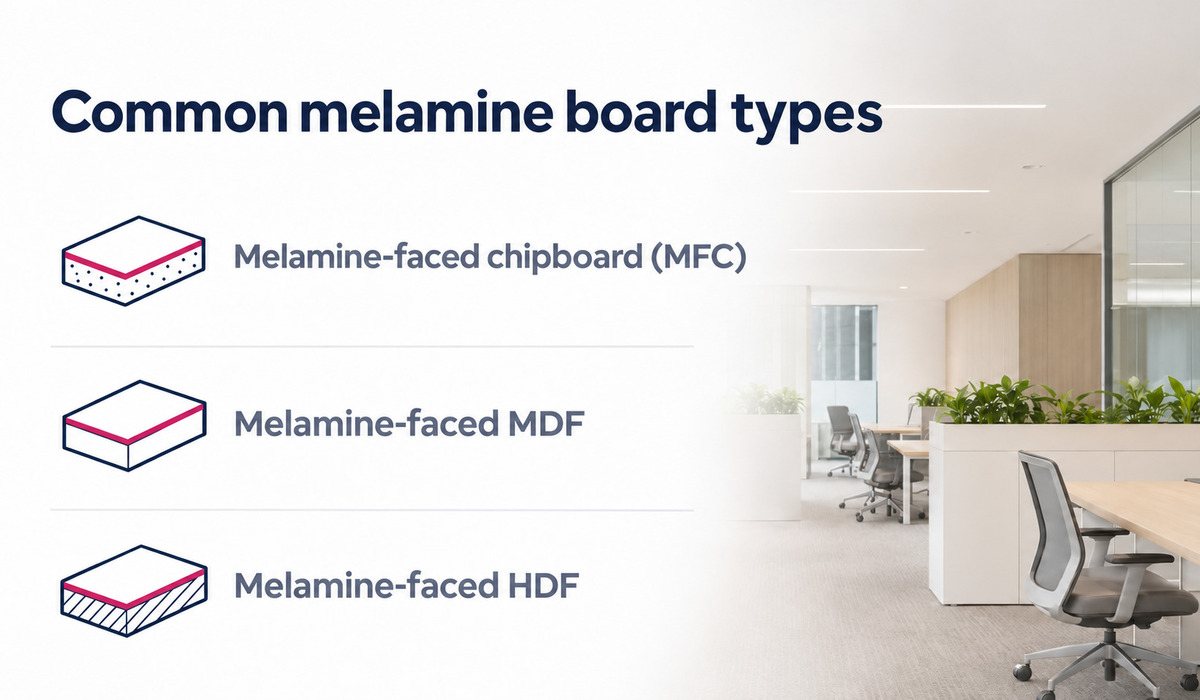
Two boards can have the same melamine color and pattern while using different cores. When selecting a board, consider the loads the core will carry, where hardware will be attached, and whether it will be regularly exposed to moisture. Particleboard, MDF, and HDF are three common options.
4.1. Melamine-faced chipboard (MFC)
MFC has a core made from wood chips pressed into a panel and finished with a melamine surface. Standard grades are suitable for flat components such as cabinet doors, partitions, and desktops in dry areas. When using MFC for filing cabinet shelves, consider panel thickness, expected loads, and the distance between supports. Long shelves that regularly hold a full load of files may need a central divider to reduce the shelf span.
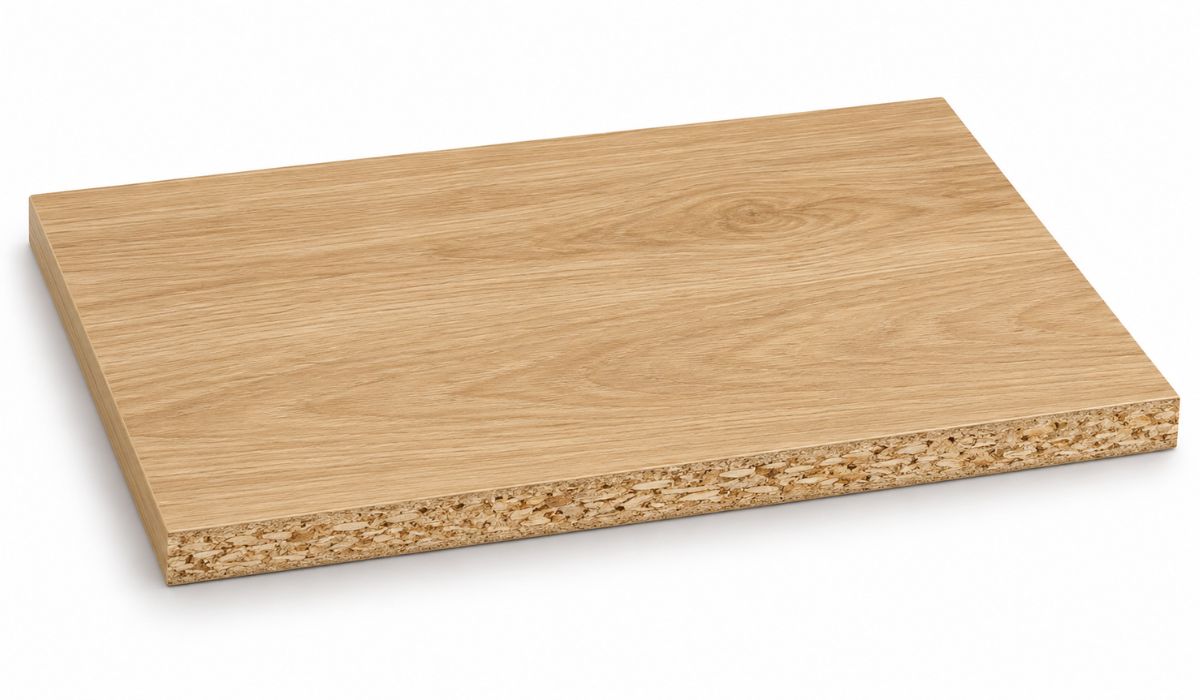
In areas with higher humidity, MFC with a moisture-resistant core may be considered. When approving pantry cabinets, check the board grade on the technical data sheet and carefully review the treatment of cut edges, particularly around pipe openings and edges close to the floor.
4.2. Melamine-faced MDF
MDF cores are made from compressed wood fibers, producing a smooth, uniform cross-section. These properties are useful for cabinet doors, desktops, and panels with exposed edges, as businesses can assess cut quality and the fit of the edge banding directly on a sample. If the design includes grooves routed into a finished surface, machine a trial component to inspect the groove edges and determine how to finish the exposed core.
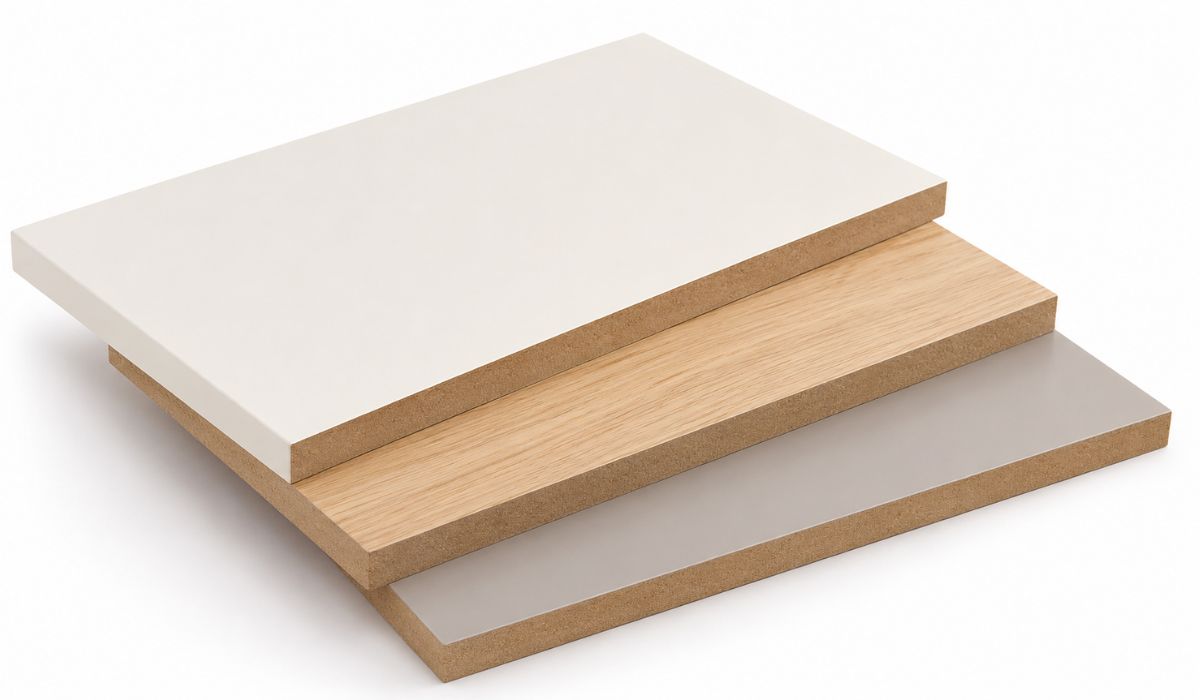
For cabinets near sinks, verify the moisture-resistant MDF product code and the conditions of use stated on the technical data sheet. A green core can help identify certain board ranges. When approving samples, also inspect the bottom edges of cabinet doors and the edges around cutouts where splashed water may collect.
4.3. Melamine-faced HDF
HDF is high-density fiberboard. When considering melamine-faced HDF for cabinet doors or wall panels, check the panel weight based on its actual dimensions. For cabinet doors, this weight helps determine the appropriate number of hinges and their load capacity. For wall panels, check the thickness and fixing method against the proposed support system.
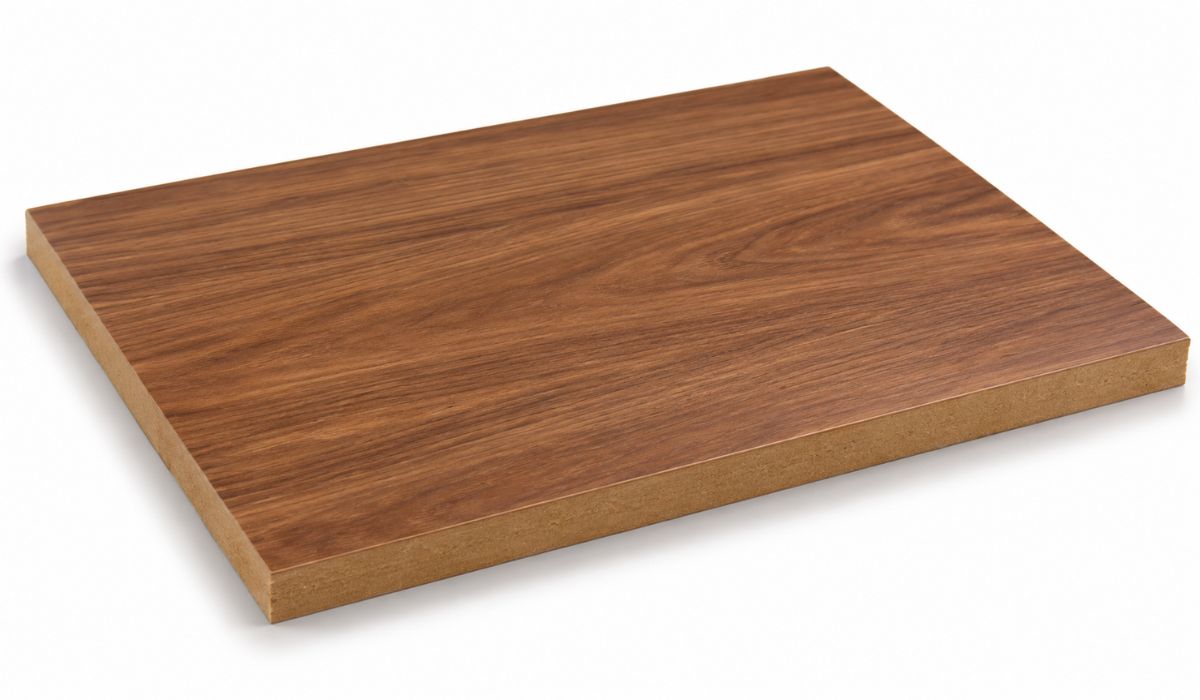
The moisture resistance of HDF depends on the specific board grade. When choosing between core types, compare panel specifications and installation conditions for the same application.
5. Melamine board manufacturing process
Melamine board is manufactured by pressing decorative paper impregnated with melamine resin onto an engineered wood core, such as MDF or particleboard. Production typically involves three main stages:
| Stage | Description |
|---|---|
| Material preparation | Select the board core and decorative paper with colors and woodgrain patterns that match the product sample. |
| Paper impregnation and drying | Impregnate the decorative paper with melamine resin, then dry it in preparation for pressing. |
| Melamine facing | Apply heat and pressure to bond the decorative paper to the core, producing the finished melamine-faced board. |
6. Melamine board applications in office interiors
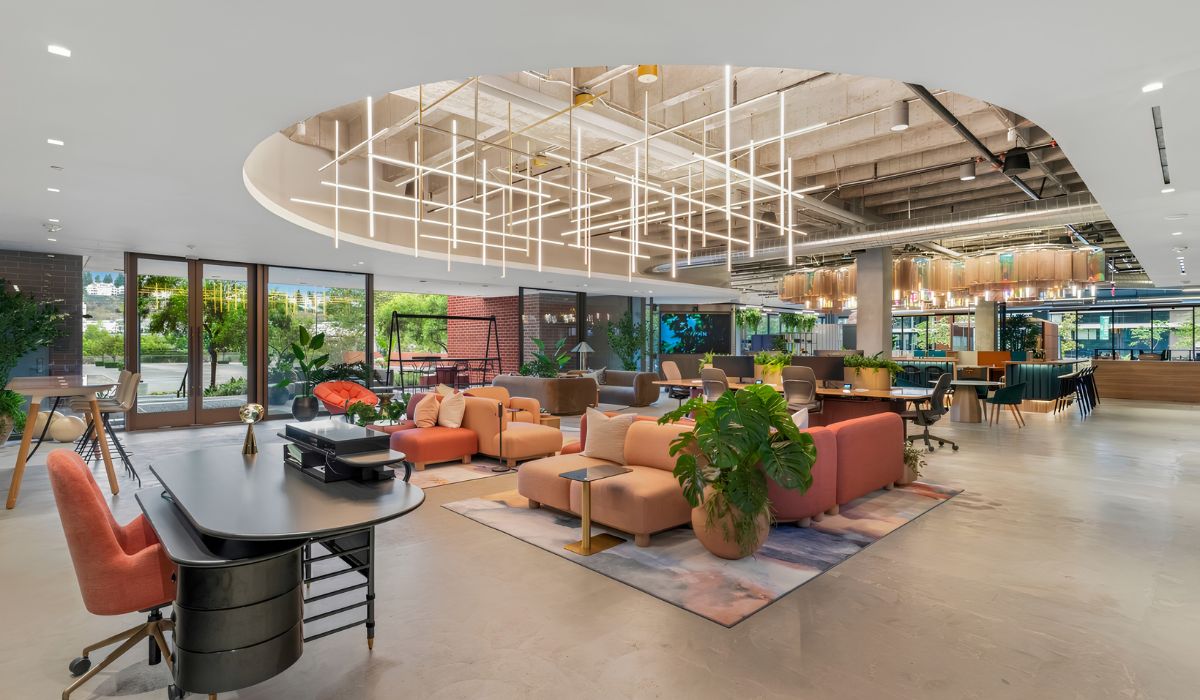
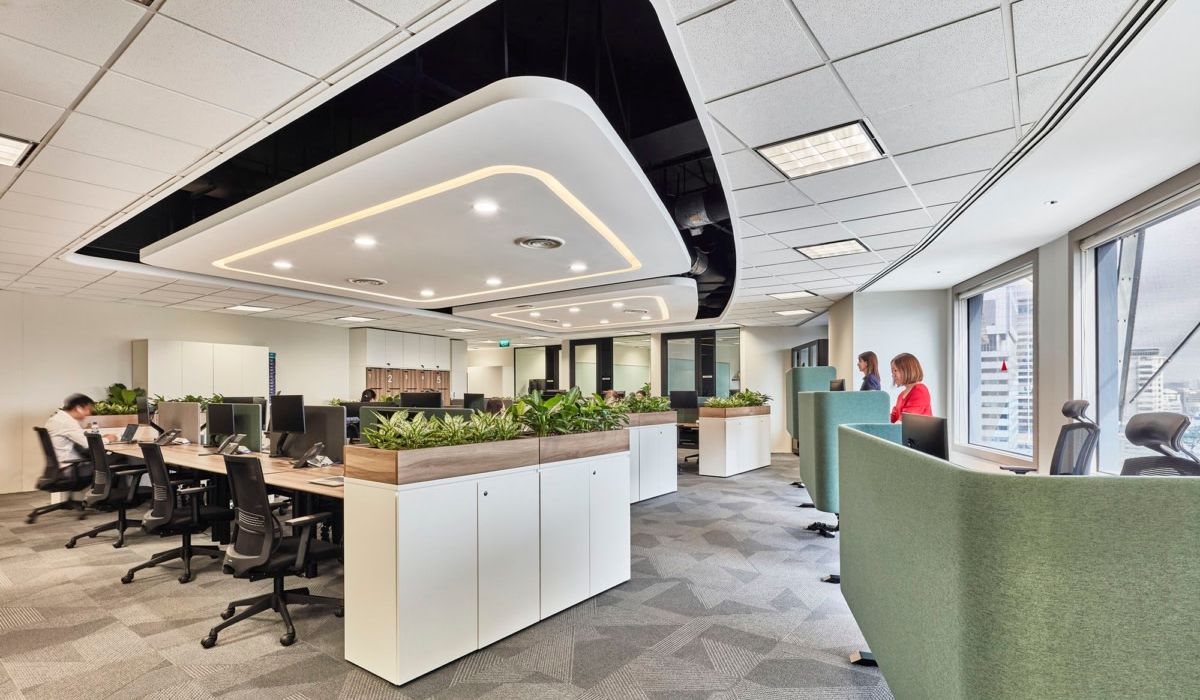
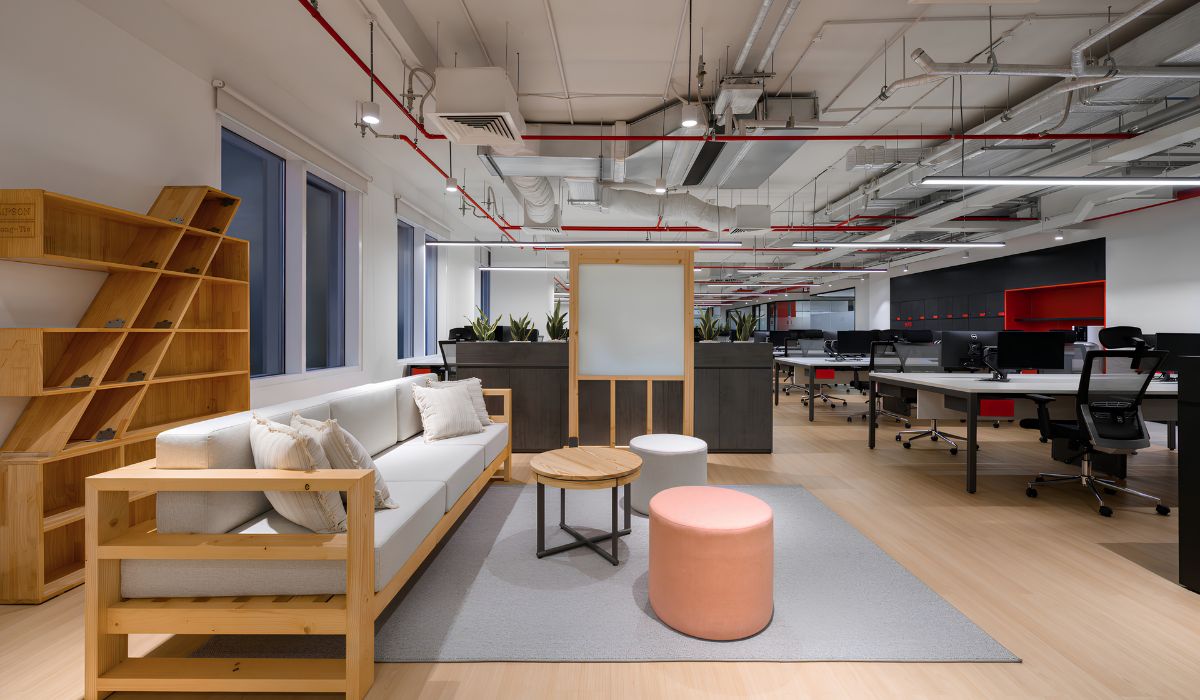
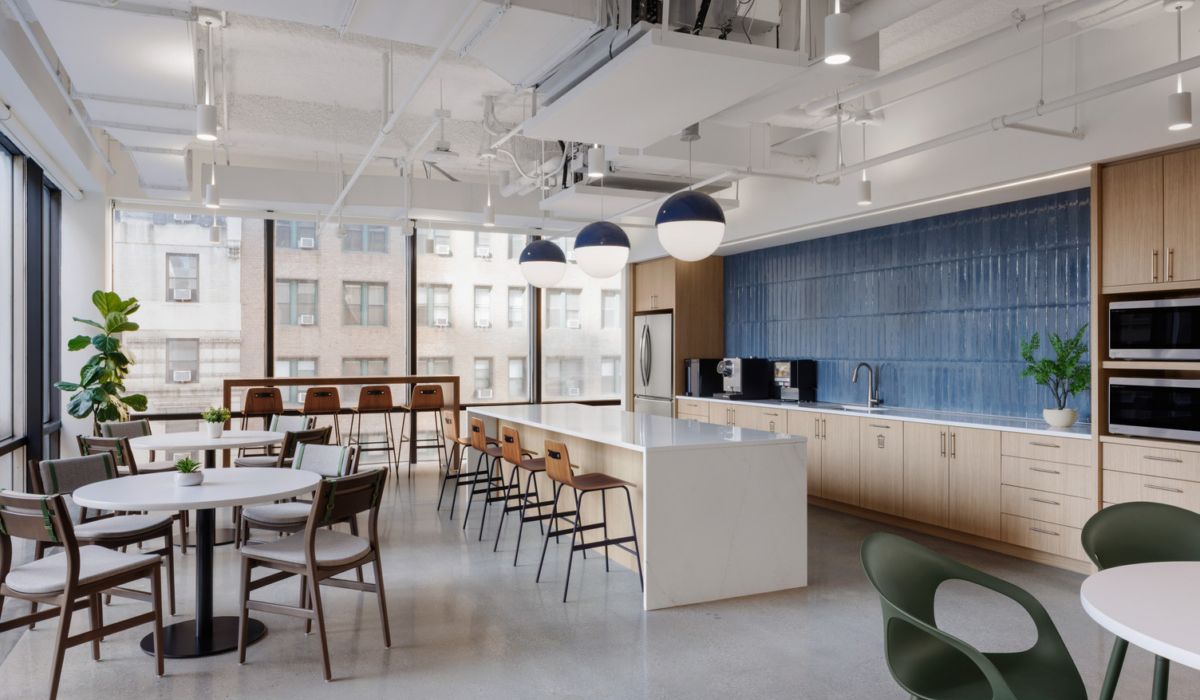
Melamine board is widely used to manufacture office desks, filing cabinets, partitions, and pantry cabinets. Depending on the installation location and intended use, businesses can select the appropriate core type, thickness, and edge treatment.
| Application | Conditions of use | Suitable board type | Selection considerations |
|---|---|---|---|
| Office desks | Daily use, supporting computers and office equipment | Melamine-faced MDF or particleboard | Check desktop thickness, supporting frames, desk edges, and cable openings. |
| Filing cabinets | Shelves carry document loads, while cabinet doors are opened and closed frequently | Melamine-faced MDF or particleboard | Consider shelf load capacity, support spacing, and hinge stability. |
| Wall panels or desk partitions | Used for decoration, space division, or visual screening | Single- or double-sided melamine-faced board, depending on the construction | Check color, grain direction, joints, and the treatment of exposed edges. |
| Office pantry cabinets | May be exposed to humidity or splashed water during use | Melamine-faced board with a suitable moisture-resistant core | Pay attention to panel edges, cutouts near pipes and sinks, and cabinet bases. |
Beyond office interiors, melamine board is also used for wardrobes, display shelving, and other furniture because of its varied colors and easy-to-clean surface.
7. How to select and approve melamine board for an office
Before finalizing the specifications, businesses should inspect melamine board samples to confirm that the color, material, and panel specifications suit the design.
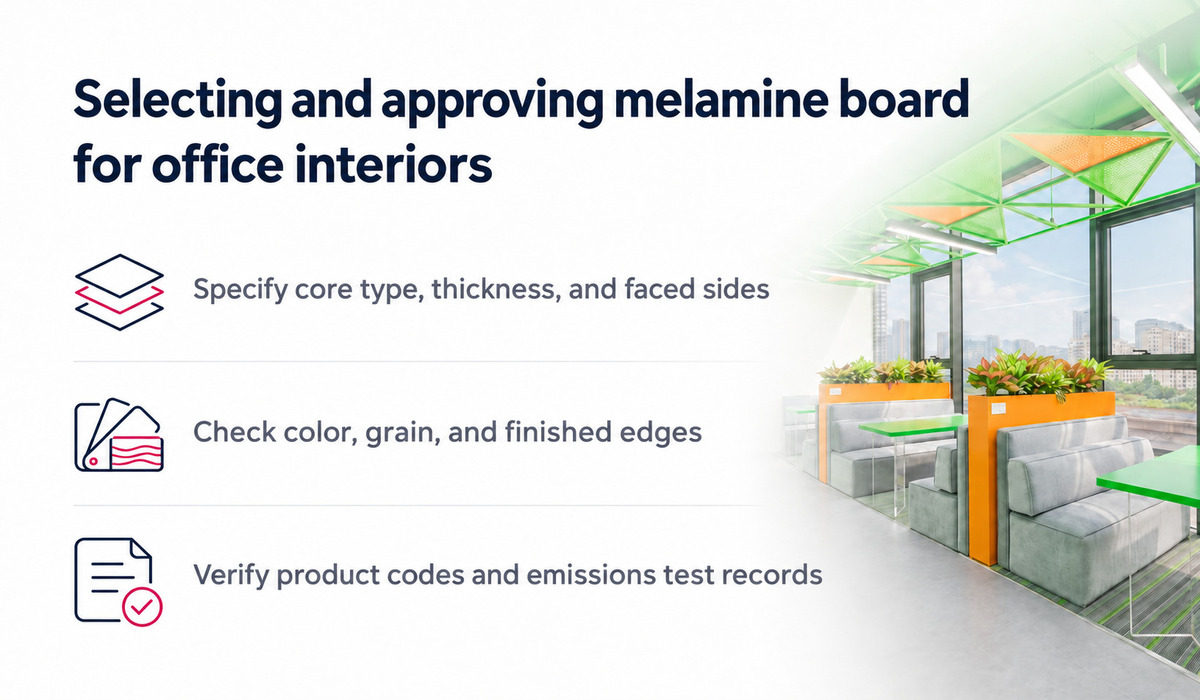
7.1. Specify the core type, thickness, and number of faced sides
Select the core type, thickness, and number of melamine-faced sides to suit each furniture item. For cabinet doors or partitions with both sides exposed, agree on the color and finish for each face. Drawings should also clearly indicate cutout locations and edges requiring edge banding to ensure accurate fabrication.
7.2. Check the color, pattern, and finished edges
Inspect melamine samples under the office’s actual lighting conditions to assess color, sheen, and grain pattern. For adjacent cabinet doors or wall panels, pay attention to color consistency and grain direction. Edge banding should fit tightly against the panel surface, with no peeling, chipping, or color mismatch.
7.3. Verify product codes and emissions test documentation
Businesses should check the product code and formaldehyde emissions documentation for the proposed melamine board. For products declared as E0, E1, or E2, review the applicable standard, test method, and units used to report emissions. Also confirm whether the documentation covers the wood-based core or the finished melamine-faced panel.
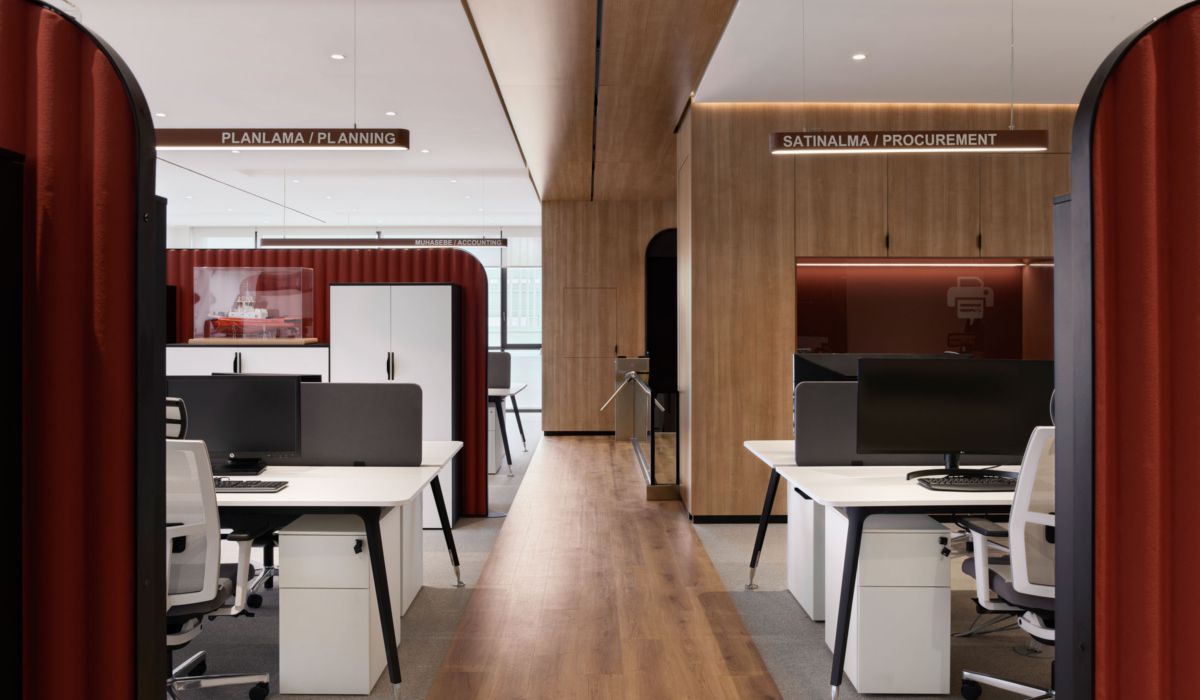
Melamine board can be used for many office applications, from desks to filing cabinets and wall panels. Before ordering, businesses should approve samples for each intended location. During office design and build, clearly recording core codes, color codes, and edge treatments helps verify materials upon delivery and identify matching products when replacements are needed.
8. Frequently asked questions (FAQ)
8.1. When should single-sided or double-sided melamine board be used?
A board with one decorative face can be selected for wall panels installed against a wall or components with concealed backs. For frequently opened cabinet doors or partitions visible from both sides, two decorative faces may be appropriate. When ordering, specify the requirements for each face, including concealed faces.
8.2. Can grooves be routed into melamine-faced board?
Grooves can be routed to accommodate hardware or cables. If a groove is on a visible face, routing may expose the core and chip the edges of the surface layer. Machine a trial piece using the same board code to inspect the groove edges and determine how to finish the exposed core.
8.3. What should be used to clean melamine surfaces?
Use a soft, slightly damp cloth to remove dust and light stains, then wipe the surface dry. If a cleaning product is needed, choose one that complies with the product’s care instructions. Wipe up spills around joints and cutouts promptly to reduce water penetration through panel edges.
8.4. Is melamine board waterproof?
Water spilled briefly onto an intact melamine surface can be wiped away. If water remains for an extended period, the core can still absorb moisture through unsealed edges, drilled holes, or joints. For cabinets near sinks, check the moisture-resistant core grade and the treatment of cut edges and cutouts.
8.5. Can a single melamine-faced cabinet door be replaced while maintaining a consistent color?
A single door can be replaced if the cabinet construction allows it to be removed. Use the color code, grain pattern, and sheen recorded in the approval documentation to find a replacement panel. Before fabrication, place the new sample beside the existing doors to check for color differences under the same lighting conditions.