

Minimalist Interior Design Style: Features & Inspirations

Published: 09/02/2025
Updated: 21/04/2025
 9 min read
9 min read

With the philosophy of “less is more,” the Minimalist interior design style has brought a refreshing shift to spatial design – offering a refined sense of calm amidst the fast-paced rhythm of modern urban life. Minimalism focuses on simple layouts, streamlined furniture, and neutral color palettes to create harmony and relaxation. This design approach not only delivers elegant aesthetics but also helps individuals reconnect with balance in an increasingly hectic world.
Table Of Content
1. What Is Minimalist Interior Design?
Minimalist interior design is a design philosophy that focuses on simplicity, clarity, and functionality. It emphasizes clean lines, open layouts, and the removal of unnecessary elements to create a space that feels harmonious and uncluttered. Rooted in the principle of “less is more,” Minimalism seeks to achieve aesthetic refinement without compromising utility.

Instead of relying on excessive decorative details, Minimalist design emphasizes clean layouts, clear lines, and neutral color palettes. The goal is not only to create a refined and elegant space, but also to provide comfort and maximize functionality.
Beyond aesthetics, Minimalism also represents a sustainable way of living – offering calm, clarity, and balance in the midst of modern life.
2. The Evolution of Minimalist Design
The formation and growth of Minimalist style is the result of a long journey shaped by artistic, cultural, and social influences across different eras. To truly understand Minimalist design, we need to look back at the key milestones that shaped this influential movement.
2.1 Minimalism in Architecture
Minimalist architecture originated in the early 20th century as part of the modernist movement, particularly influenced by the Bauhaus school (Germany) and the principles of Functionalism.
The first Minimalist buildings began to appear in the 1920s–1930s, characterized by simple forms, sharp geometric shapes, and a strong emphasis on natural light. These early structures focused on clarity, open space, and the idea that form must follow function – laying the foundation for what would become a global design philosophy.
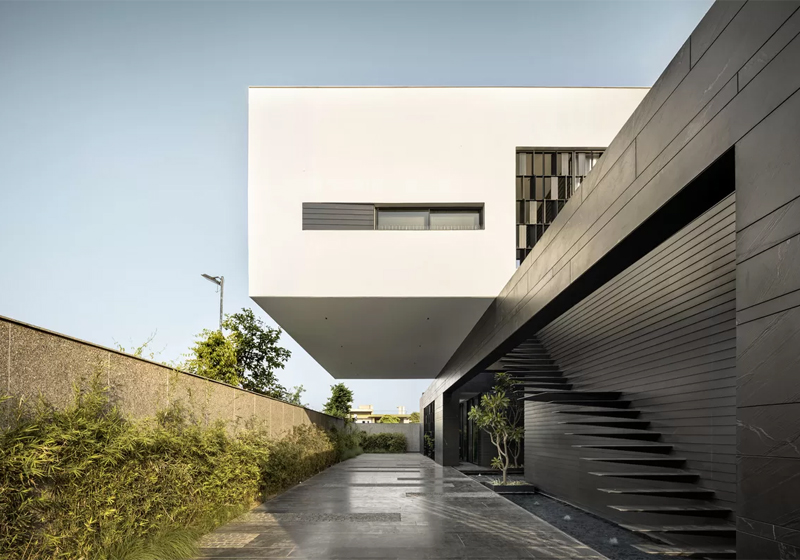
Architect Ludwig Mies van der Rohe, the pioneer of the “less is more” philosophy, is widely regarded as the father of Minimalism. He laid the groundwork for the movement through iconic architectural works such as the Farnsworth House and the Barcelona Pavilion.
The Minimalist architectural movement continued to flourish in the following decades – most notably in Japan, where it harmonized beautifully with Zen philosophy. Today, Minimalist architecture goes beyond visual purity; it embraces sustainability, makes use of eco-friendly materials, and focuses on optimizing space for mindful, efficient living.
2.2 Minimalism in Interior Design
In the field of interior design, Minimalism gained strong popularity from the mid-20th century onward, as the demand for clean, functional living environments increased. This style emphasizes essential elements, avoids unnecessary ornamentation, and encourages a “less but better” approach – minimizing the number of furnishings while maximizing their purpose.
Each piece in a Minimalist interior must strike the right balance between aesthetic appeal and functionality, ensuring comfort and convenience for everyday living.

Since the 1990s, Minimalist design has become increasingly popular across Europe and has even influenced other interior design trends. In Asia, Minimalism first took root in Japan, where it blended seamlessly with Zen philosophy – resulting in clean, functional, and highly intentional living environments.
Today, Minimalism is no longer just a design trend. It has evolved into a lifestyle philosophy embraced by those who seek simplicity, clarity, and mindful living.
3. What Are the Key Characteristics of Minimalist Design?
Minimalist interior design has made a powerful impact in the world of architecture and interiors through its commitment to simplicity, elegance, and functionality. Below are the defining characteristics that give this style its timeless appeal:
3.1 “Less is More” – Quality Over Quantity
The principle of “less is more” is the very soul of Minimalist design – and the foundational philosophy introduced by Ludwig Mies van der Rohe. Instead of relying on excessive ornamentation, Minimalism aims to optimize space using only the most essential furnishings – each carefully selected for both form and function. Every piece of furniture, every design detail serves a clear purpose. There is no room for redundancy. The result is a space that feels open, intentional, and deeply satisfying in its quiet elegance.

A Minimalist space may contain only a few essential items, but each one is carefully chosen to reflect personal style and taste. In Minimalism, quality always outweighs quantity, turning simplicity into a powerful statement of modern living.
3.2 Open and Airy Spaces
In modern apartments, the living room, kitchen, and dining area are often designed as an open, continuous space – saving square meters while creating a more spacious feel. In office environments, replacing traditional enclosed layouts with open-plan designs can enhance collaboration and improve productivity. Moreover, it’s essential to retain only necessary furniture, allowing empty space to “breathe”- promoting comfort and clarity in both living and working areas.

3.3 Neutral and Soft Color Palette
Instead of using bold or highly contrasting colors, Minimalist interior design favors a simple and neutral palette – typically including shades like white, gray, beige, and brown. These tones offer visual calm, help maintain overall harmony, and highlight the clean lines and structure of the space.

Minimalist designs usually stick to a maximum of three main colors to create visual balance and cohesion. This includes one primary color, one complementary color, and one accent color. This color coordination method not only enhances the space’s neat and clean appearance but also ensures the elegance and sophistication that define Minimalism.
3.4 Light as a Focal Element
In Minimalist interior design, lighting is not just a functional element – it is a key design feature that helps shape and elevate the overall atmosphere of a space.
Large windows, transparent glass walls, and skylights are optimal architectural solutions that maximize the use of natural light. These elements not only enhance visual spaciousness but also create a seamless connection between the interior and the natural world.
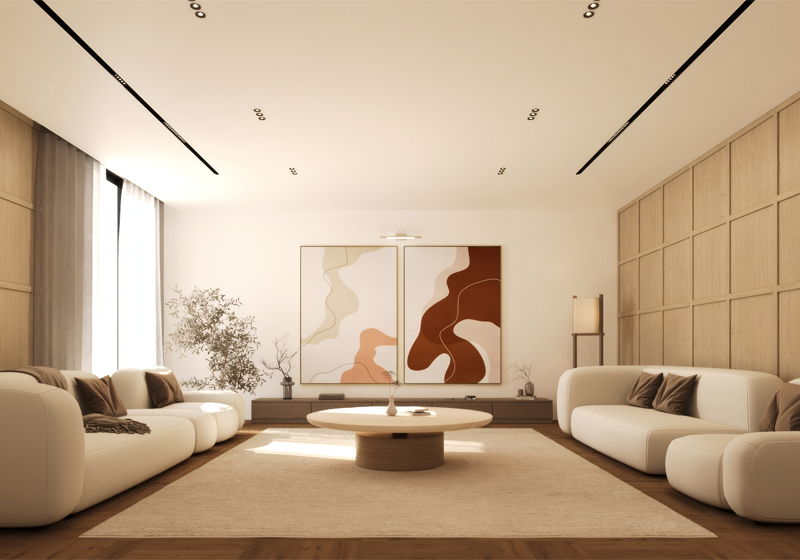
Architects often incorporate decorative features like curtains, folding screens, or indoor plants to create dynamic shadow play, highlighting architectural lines and adding depth to the minimalist space.
In addition to natural light, artificial lighting systems are strategically arranged to optimize functionality throughout the space. Fixtures with simple and refined designs are typically preferred to avoid disrupting the overall minimalist composition. Moreover, color temperature is carefully calibrated to maintain a warm, relaxing ambiance – perfectly aligned with the soft, neutral color palette that defines Minimalist interiors.
3.5 Clean Lines with a Focus on Functionality
Minimalist interior design embraces clean, streamlined forms, completely eliminating ornate or excessive decorative details. Most furniture pieces reflect modern European aesthetics, featuring simple silhouettes that prioritize both visual elegance and practical functionality.

In addition, Minimalist design favors smart furniture solutions that integrate multiple functions to maximize space efficiency and meet practical needs. Popular choices include foldable desks, built-in wardrobes, and sofa beds—all offering convenience while preserving the clean, modern aesthetic that defines a minimalist living space.
3.6 Neat and Organized Spaces
A neat and organized space is a hallmark of Minimalist interior design, reflecting the philosophy of simplicity and order. Everything is arranged in a thoughtful, efficient manner, avoiding clutter and the occupation of unnecessary space. This approach creates an ideal living environment, where individuals can relax and focus on the essential values of life.
4. Applying Minimalist Interior Design to Different Spaces
Minimalist interior design has become a significant source of inspiration for modern living spaces. From the living room, bedroom, and kitchen to office spaces, the minimalist principles can be applied to create a balance between aesthetic appeal and functionality.
4.1 Minimalist Living Room Design
A Minimalist living room is typically designed with an open layout, using simple yet elegant furniture. A neutral-toned sofa paired with a compact wooden coffee table will serve as the focal point of the space. Large windows or glass walls are maximized to allow natural light to flood the room, enhancing the feeling of spaciousness and airiness.


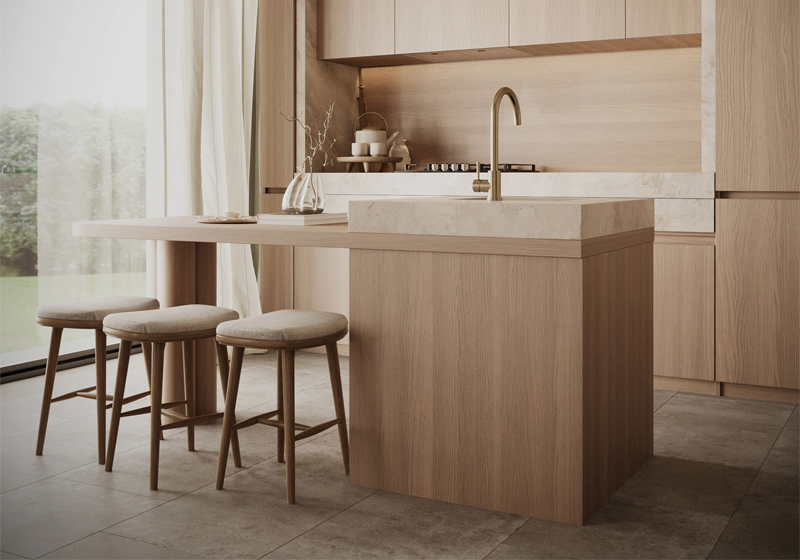
4.2 Minimalist Kitchen Design
A Minimalist kitchen is characterized by cleanliness and high functionality. Kitchen cabinets are often designed as built-in units, using light colors like white or gray to create a clean and modern feel. To add an interesting contrast, dark stone countertops in shades like black or dark gray can be incorporated. Additionally, a simple light fixture not only provides sufficient lighting but also serves as a subtle design highlight.



4.3 Minimalist Bedroom Design
A Minimalist bedroom is stripped down to its essentials to promote peace, relaxation, and mental balance. The bed often features a low-profile design, with neutral-toned bedding paired with a compact nightstand. Natural light from large windows filtered through sheer curtains creates a soft, calming atmosphere, allowing one to recharge after a long day.


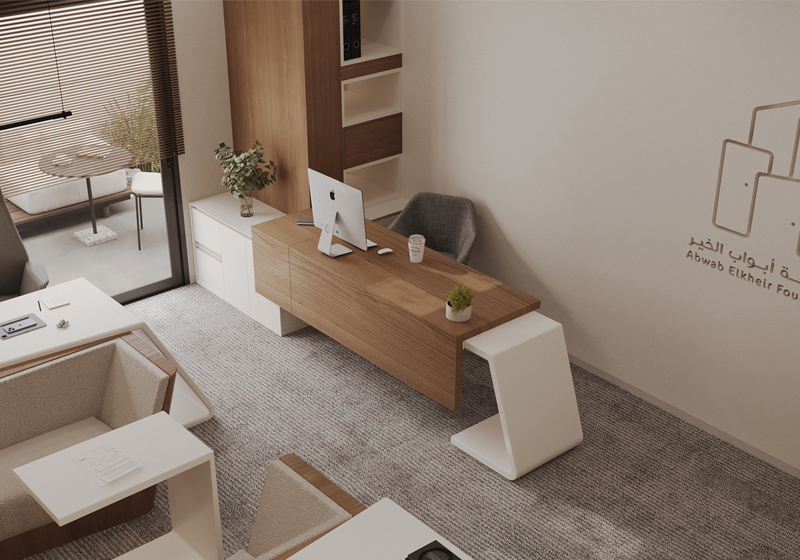
4.4 Minimalist Office Design
Minimalist office design aims to enhance focus and work efficiency. The desk is typically simple, with clean, straight lines, and is arranged in a way that eliminates unnecessary clutter. An ergonomic chair complements the desk, ensuring comfort without compromising on the modern, streamlined aesthetic.


Not just a design trend, Minimalist interior style is also a lifestyle philosophy that reflects a modern spirit and a deep appreciation for core values. Despite its long development, this style continues to maintain its unique appeal due to its ability to adapt and meet the needs of people in today’s fast-paced world. Furthermore, Minimalism encourages a sustainable lifestyle, contributing to the creation of a better future for both humanity and the environment.

Nhà biên tập và quản lý nội dung tại Maison Interior
Với hơn 06 năm kinh nghiệm tư vấn, biên tập nội dung trong lĩnh vực thiết kế nội thất, mang đến góc nhìn chuyên sâu, cung cấp thông tin giá trị, cập nhật xu hướng và đề xuất giải pháp tối ưu cho khách hàng.


Office Interior Design Ideas by Functional Zones
Discover inspiring interior design concepts tailored to each functional area in a modern workspace — curated by Maison Interior.


